Less Than 1%: Vegetable Gums
What is Less Than 1%: Vegetable Gums?
Vegetable gums are a group of water-soluble polysaccharides derived from plants. They are typically extracted from seeds, roots, or the sap of trees. These gums are processed to create powders that absorb water and thicken liquids.
Is Less Than 1%: Vegetable Gums vegan?
Less Than 1%: Vegetable Gums is not animal-derived. Products that contain it can still include other animal-derived ingredients, so check the full ingredient list.
Is Less Than 1%: Vegetable Gums gluten-free?
Gluten-free.
Is Less Than 1%: Vegetable Gums a major allergen?
Not a major allergen.
What is Less Than 1%: Vegetable Gums used for?
Manufacturers add vegetable gums to foods to thicken, stabilize, and improve texture.
Is Less Than 1%: Vegetable Gums safe?
Vegetable gums are generally recognized as safe (GRAS) by the FDA when used as food ingredients.
Why it's used
Manufacturers add vegetable gums to foods to thicken, stabilize, and improve texture. They are often found in dairy products, sauces, baked goods, and salad dressings. They help prevent ingredients from separating and create a smoother mouthfeel.
Health notes
Vegetable gums are generally recognized as safe (GRAS) by the FDA when used as food ingredients. They are primarily dietary fiber, which can aid digestion for some people. International bodies like JECFA have evaluated various gums, generally finding them safe for consumption. Some gums may cause gas or bloating in sensitive individuals if consumed in very large amounts, but this is uncommon at typical dietary levels.
Allergen info
Not a major allergen. Gluten-free.
Foods that contain Less Than 1%: Vegetable Gums
Compare products →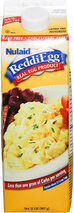
Learn more
Auto-generated content. This description was generated automatically and is pending editorial review. Inaccuracies are possible. Found a mistake? Contact us.