Less Than 2%: Cultured Celery Powder
What is Less Than 2%: Cultured Celery Powder?
Cultured celery powder is made by fermenting celery with a starter culture, similar to how yogurt is made. This process enhances the natural compounds in celery, which can then be used as a food ingredient. It is typically a dried powder.
Is Less Than 2%: Cultured Celery Powder vegan?
Less Than 2%: Cultured Celery Powder is not animal-derived. Products that contain it can still include other animal-derived ingredients, so check the full ingredient list.
Is Less Than 2%: Cultured Celery Powder a major allergen?
Not a major allergen.
What is Less Than 2%: Cultured Celery Powder used for?
Manufacturers use cultured celery powder as a natural curing agent, often in processed meats like bacon and ham.
Is Less Than 2%: Cultured Celery Powder safe?
In the U.S., cultured celery powder is generally recognized as safe (GRAS) by the FDA when used as intended.
Why it's used
Manufacturers use cultured celery powder as a natural curing agent, often in processed meats like bacon and ham. It helps to preserve the food and contribute to its color and flavor. It is found in a variety of processed meat products.
Health notes
In the U.S., cultured celery powder is generally recognized as safe (GRAS) by the FDA when used as intended. It is a source of naturally occurring nitrates, which the body can convert to nitrites. Some research suggests a link between high intake of nitrites from processed meats and certain health concerns, but the evidence is mixed and ongoing. International bodies like JECFA have evaluated celery and celery extracts.
Allergen info
Not a major allergen. It is derived from celery, which is not one of the nine major allergens.
Foods that contain Less Than 2%: Cultured Celery Powder
Compare products →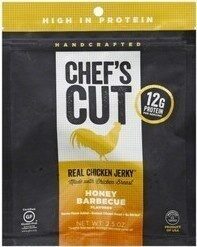 RSJ Ventures, LLC
Honey Barbecue Smoked Chicken Breast, Honey Barbecue
286kcal
35.7Protein
5.4Fat
21.4Carbs
RSJ Ventures, LLC
Honey Barbecue Smoked Chicken Breast, Honey Barbecue
286kcal
35.7Protein
5.4Fat
21.4Carbs
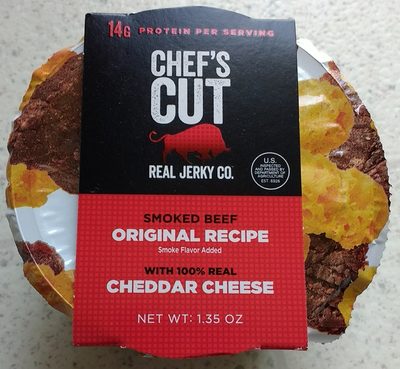 RSJ Ventures, LLC
Smoked Beef Original Recipe With 100% Real Cheddar Cheese, Smoke
High in sodium — 20% DV per serving
High in saturated fat — 27% DV per serving
421kcal
36.8Protein
22.4Fat
18.4Carbs
RSJ Ventures, LLC
Smoked Beef Original Recipe With 100% Real Cheddar Cheese, Smoke
High in sodium — 20% DV per serving
High in saturated fat — 27% DV per serving
421kcal
36.8Protein
22.4Fat
18.4Carbs
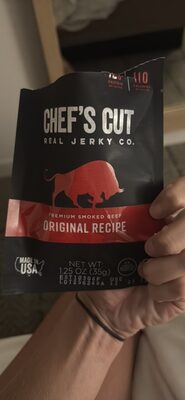 RSJ Ventures, LLC
Original Recipe Smoked Beef
314kcal
34.3Protein
8.6Fat
22.9Carbs
RSJ Ventures, LLC
Original Recipe Smoked Beef
314kcal
34.3Protein
8.6Fat
22.9Carbs
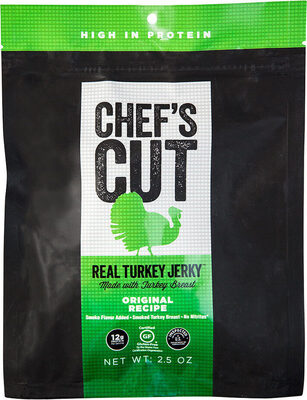 RSJ Ventures, LLC
Teriyaki Premium Smoked Turkey Breast, Teriyaki
286kcal
35.7Protein
5.4Fat
21.4Carbs
RSJ Ventures, LLC
Buffalo Style Smoked Chicken Breast, Smoked, Buffalo Style
High in sodium — 27% DV per serving
286kcal
35.7Protein
10.7Fat
7.1Carbs
RSJ Ventures, LLC
Smoked Turkey Teriyaki With 100% Real Pepper Jack Cheese
High in sodium — 20% DV per serving
High in saturated fat — 22% DV per serving
368kcal
34.2Protein
21.1Fat
13.2Carbs
Hofmann Sausage Company, LLC
Honey BBQ Smoked Beef, Honey BBQ
286kcal
32.1Protein
3.6Fat
35.7Carbs
RSJ Ventures, LLC
Chipotle Cracked Pepper Premium Smoked Beef, Chipotle Cracked Pepper
321kcal
35.7Protein
8.9Fat
21.4Carbs
RSJ Ventures, LLC
Teriyaki Premium Smoked Turkey Breast, Teriyaki
286kcal
35.7Protein
5.4Fat
21.4Carbs
RSJ Ventures, LLC
Buffalo Style Smoked Chicken Breast, Smoked, Buffalo Style
High in sodium — 27% DV per serving
286kcal
35.7Protein
10.7Fat
7.1Carbs
RSJ Ventures, LLC
Smoked Turkey Teriyaki With 100% Real Pepper Jack Cheese
High in sodium — 20% DV per serving
High in saturated fat — 22% DV per serving
368kcal
34.2Protein
21.1Fat
13.2Carbs
Hofmann Sausage Company, LLC
Honey BBQ Smoked Beef, Honey BBQ
286kcal
32.1Protein
3.6Fat
35.7Carbs
RSJ Ventures, LLC
Chipotle Cracked Pepper Premium Smoked Beef, Chipotle Cracked Pepper
321kcal
35.7Protein
8.9Fat
21.4Carbs
Learn more
Auto-generated content. This description was generated automatically and is pending editorial review. Inaccuracies are possible. Found a mistake? Contact us.