Less Than 2% Safflower Sunflower Oil
What is Less Than 2% Safflower Sunflower Oil?
Safflower sunflower oil is a blend of oils extracted from the seeds of the safflower plant and the sunflower plant. These oils are obtained by pressing and/or using solvents to separate the oil from the seeds, followed by refining.
Is Less Than 2% Safflower Sunflower Oil vegan?
Less Than 2% Safflower Sunflower Oil is not animal-derived. Products that contain it can still include other animal-derived ingredients, so check the full ingredient list.
Is Less Than 2% Safflower Sunflower Oil a major allergen?
Safflower and sunflower oils are not considered major food allergens by the FDA.
What is Less Than 2% Safflower Sunflower Oil used for?
Manufacturers use this oil blend primarily as a cooking oil for frying and baking, and as an ingredient in many processed foods.
Is Less Than 2% Safflower Sunflower Oil safe?
Safflower oil and sunflower oil are considered generally recognized as safe (GRAS) by the U.S. Food and Drug Administration (FDA) for use in food.
Why it's used
Manufacturers use this oil blend primarily as a cooking oil for frying and baking, and as an ingredient in many processed foods. It helps improve the texture and flavor of products like popcorn, snacks, and baked goods.
Health notes
Safflower oil and sunflower oil are considered generally recognized as safe (GRAS) by the U.S. Food and Drug Administration (FDA) for use in food. These oils are sources of unsaturated fats, which are part of a balanced diet. JECFA and EFSA have not set specific acceptable daily intake limits for these common food oils.
Allergen info
Safflower and sunflower oils are not considered major food allergens by the FDA.
Foods that contain Less Than 2% Safflower Sunflower Oil
Compare products →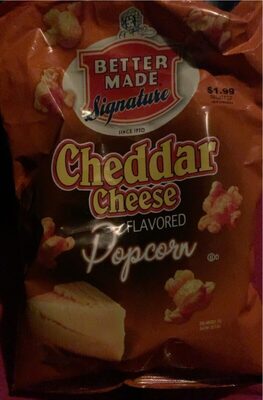 Better Made Snack Foods, Inc.
Cheddar Cheese Flavored Popcorn, Cheddar Cheese
607kcal
7.1Protein
46.4Fat
46.4Carbs
Better Made Snack Foods, Inc.
Cheddar Cheese Flavored Popcorn, Cheddar Cheese
607kcal
7.1Protein
46.4Fat
46.4Carbs
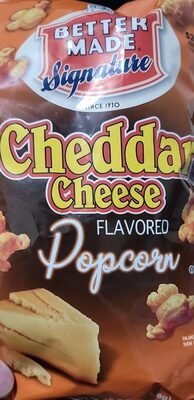 Better Made Snack Foods, Inc.
Cheddar Cheese Flavored Popcorn, Cheddar Cheese
607kcal
7.1Protein
46.4Fat
46.4Carbs
Better Made Snack Foods, Inc.
Cheddar Cheese Flavored Popcorn, Cheddar Cheese
607kcal
7.1Protein
46.4Fat
46.4Carbs
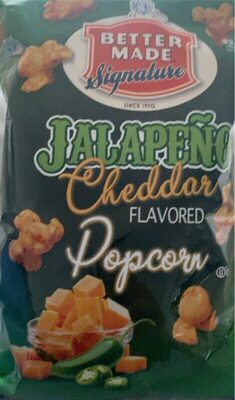 Better Made Snack Foods, Inc.
Jalapeno Cheddar Popcorn, Jalapeno Cheddar
607kcal
7.1Protein
46.4Fat
42.9Carbs
Better Made Snack Foods, Inc.
Barbecue Cheddar Popcorn, Barbecue Cheddar
607kcal
7.1Protein
42.9Fat
46.4Carbs
Better Made Snack Foods, Inc.
Red Hot Cheese Popcorn, Red Hot Cheese
536kcal
7.1Protein
35.7Fat
—Carbs
Better Made Snack Foods, Inc.
Cheddar Cheese Popcorn, Cheddar Cheese
607kcal
7.1Protein
46.4Fat
46.4Carbs
Better Made Snack Foods, Inc.
Cheddar Cheese Popcorn, Cheddar Cheese
607kcal
7.1Protein
46.4Fat
46.4Carbs
Better Made Snack Foods, Inc.
Jalapeno Cheddar Popcorn, Jalapeno Cheddar
607kcal
7.1Protein
46.4Fat
42.9Carbs
Better Made Snack Foods, Inc.
Barbecue Cheddar Popcorn, Barbecue Cheddar
607kcal
7.1Protein
42.9Fat
46.4Carbs
Better Made Snack Foods, Inc.
Red Hot Cheese Popcorn, Red Hot Cheese
536kcal
7.1Protein
35.7Fat
—Carbs
Better Made Snack Foods, Inc.
Cheddar Cheese Popcorn, Cheddar Cheese
607kcal
7.1Protein
46.4Fat
46.4Carbs
Better Made Snack Foods, Inc.
Cheddar Cheese Popcorn, Cheddar Cheese
607kcal
7.1Protein
46.4Fat
46.4Carbs
Learn more
Auto-generated content. This description was generated automatically and is pending editorial review. Inaccuracies are possible. Found a mistake? Contact us.