Live & Active Yogurt Cultures: L
Auto-generated content. This description was generated automatically and is pending editorial review. Inaccuracies are possible. Found a mistake? Contact us.
What it is
Live and active yogurt cultures are specific strains of live bacteria, most commonly Lactobacillus bulgaricus and Streptococcus thermophilus. These bacteria are essential for the fermentation process that transforms milk into yogurt. They consume lactose (milk sugar) and produce lactic acid, which gives yogurt its characteristic tangy flavor and helps thicken its texture.
Why it's used
Manufacturers add live and active yogurt cultures to yogurt products to initiate and complete the fermentation process. These cultures are responsible for the product's identity as yogurt, providing its unique flavor, texture, and aroma. They are found exclusively in yogurt and related fermented dairy products.
Health notes
Live and active yogurt cultures are considered by the FDA to be Generally Recognized As Safe (GRAS) when used in yogurt. These bacteria are often referred to as probiotics, which are live microorganisms that may provide health benefits when consumed in adequate amounts. While many studies explore the potential benefits of probiotics for gut health, the scientific evidence is still evolving. Regulatory bodies like EFSA have evaluated probiotics, and JECFA has also evaluated certain bacterial strains used in food.
Allergen info
Live and active yogurt cultures are derived from milk, making them a dairy product. Therefore, they are considered a major allergen.
Products containing Live & Active Yogurt Cultures: L
Compare products →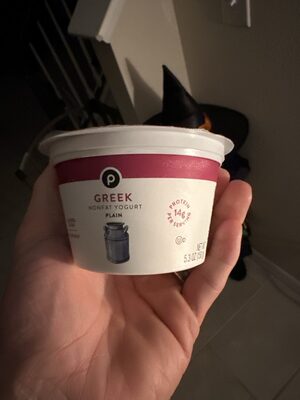 Publix Super Markets, Inc.
Premium Plain Nonfat Greek Yogurt
60kcal
10.7Protein
0Fat
4Carbs
Publix Super Markets, Inc.
Premium Plain Nonfat Greek Yogurt
60kcal
10.7Protein
0Fat
4Carbs
 Publix Super Markets, Inc.
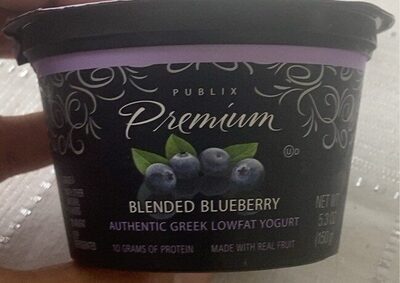
Blueberry Blended Authentic Greek Lowfat Yogurt, Blueberry
High in added sugars — 26% DV per serving
93kcal
6.7Protein
1.7Fat
14.7Carbs
Publix Super Markets, Inc.
Blueberry Blended Authentic Greek Lowfat Yogurt, Blueberry
High in added sugars — 26% DV per serving
93kcal
6.7Protein
1.7Fat
14.7Carbs
 Publix Super Markets, Inc.
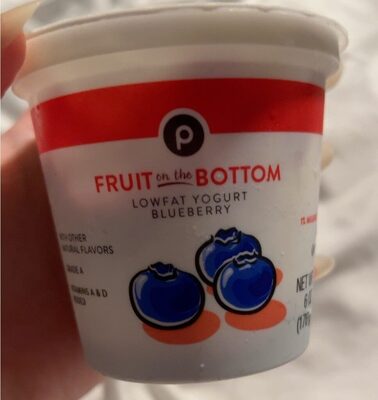
Blueberry Fruit On The Bottom Lowfat Yogurt, Blueberry
High in added sugars — 42% DV per serving
106kcal
3.5Protein
0.9Fat
22.4Carbs
Publix Super Markets, Inc.
Blueberry Fruit On The Bottom Lowfat Yogurt, Blueberry
High in added sugars — 42% DV per serving
106kcal
3.5Protein
0.9Fat
22.4Carbs
 Trimona Foods Inc
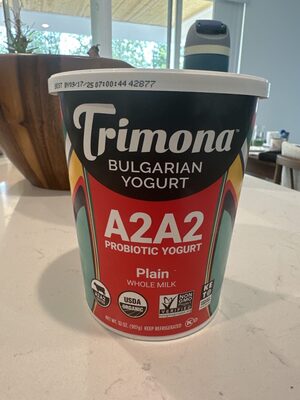
A2A2 Plain Whole Milk Bulgarian Probiotic Yogurt
High in saturated fat — 25% DV per serving
65kcal
3.5Protein
3.5Fat
4.1Carbs
Trimona Foods Inc
A2A2 Plain Whole Milk Bulgarian Probiotic Yogurt
High in saturated fat — 25% DV per serving
65kcal
3.5Protein
3.5Fat
4.1Carbs