Locust Bean Gum And Lactase Enzyme
What is Locust Bean Gum And Lactase Enzyme?
Locust bean gum is a dietary fiber derived from the seeds of the carob tree. The seeds are milled into a powder. Lactase enzyme is produced through fermentation by microorganisms.
Is Locust Bean Gum And Lactase Enzyme vegan?
Locust Bean Gum And Lactase Enzyme is not animal-derived. Products that contain it can still include other animal-derived ingredients, so check the full ingredient list.
Is Locust Bean Gum And Lactase Enzyme a major allergen?
Locust bean gum is not derived from any of the 9 major allergens.
What is Locust Bean Gum And Lactase Enzyme used for?
Locust bean gum is used as a thickener and stabilizer in foods like ice cream and yogurt.
Is Locust Bean Gum And Lactase Enzyme safe?
Locust bean gum is generally recognized as safe (GRAS) by the FDA for use in food.
Why it's used
Locust bean gum is used as a thickener and stabilizer in foods like ice cream and yogurt. Lactase enzyme is added to dairy products to break down lactose, making them suitable for people with lactose intolerance.
Health notes
Locust bean gum is generally recognized as safe (GRAS) by the FDA for use in food. It is a source of soluble fiber, which may aid digestion. The lactase enzyme is also considered safe for its intended use. JECFA has evaluated locust bean gum and did not set a numeric limit (ADI not specified).
Allergen info
Locust bean gum is not derived from any of the 9 major allergens. Lactase enzyme is typically produced from yeast or bacteria and is not a major allergen. Not a major allergen.
Foods that contain Locust Bean Gum And Lactase Enzyme
Compare products →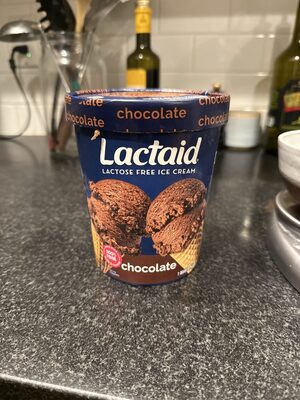
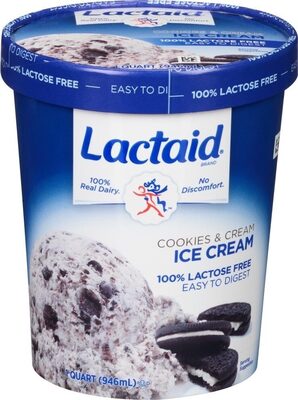
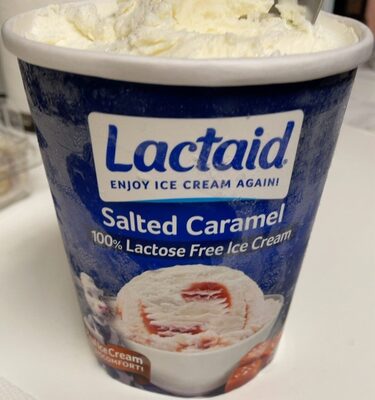
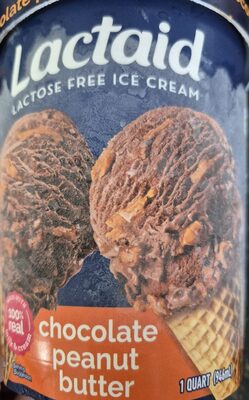
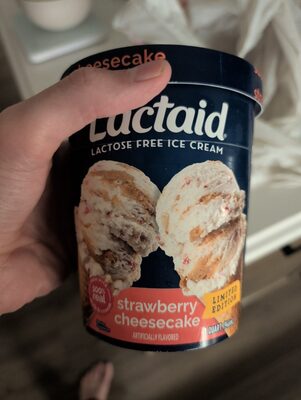
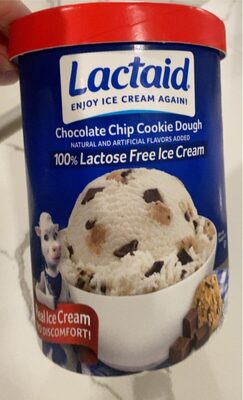
Learn more
Auto-generated content. This description was generated automatically and is pending editorial review. Inaccuracies are possible. Found a mistake? Contact us.