Locust Bean Gum And Natural Flavor
What is Locust Bean Gum And Natural Flavor?
Locust bean gum is a dietary fiber derived from the seeds of the carob tree, native to the Mediterranean region. It is processed by removing the seed coat and germ, then grinding the endosperm into a fine powder.
Is Locust Bean Gum And Natural Flavor vegan?
Locust Bean Gum And Natural Flavor is not animal-derived. Products that contain it can still include other animal-derived ingredients, so check the full ingredient list.
Is Locust Bean Gum And Natural Flavor gluten-free?
It is also gluten-free.
Is Locust Bean Gum And Natural Flavor a major allergen?
Not a major allergen.
What is Locust Bean Gum And Natural Flavor used for?
Locust bean gum is primarily used as a thickening and stabilizing agent in foods like dairy products, sauces, and baked goods.
Is Locust Bean Gum And Natural Flavor safe?
Locust bean gum is generally recognized as safe (GRAS) by the FDA for use in food.
Why it's used
Locust bean gum is primarily used as a thickening and stabilizing agent in foods like dairy products, sauces, and baked goods. It helps improve texture and prevent ice crystal formation in frozen desserts.
Health notes
Locust bean gum is generally recognized as safe (GRAS) by the FDA for use in food. It is a source of soluble fiber, which may aid digestion. JECFA and EFSA have evaluated locust bean gum and found it to be safe for consumption without setting a numerical limit.
Allergen info
Not a major allergen. It is also gluten-free.
Foods that contain Locust Bean Gum And Natural Flavor
Compare products →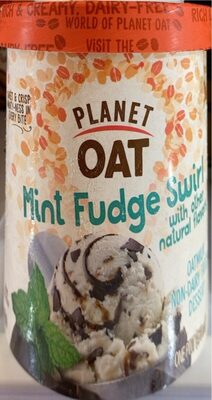
Learn more
Auto-generated content. This description was generated automatically and is pending editorial review. Inaccuracies are possible. Found a mistake? Contact us.