Long Grain
What is Long Grain?
Long grain refers to a type of rice characterized by its long, slender kernels. When cooked, these grains tend to remain separate and fluffy. Long grain rice is a staple food grown in many parts of the world, including the United States.
Is Long Grain vegan?
Long Grain is not animal-derived. Products that contain it can still include other animal-derived ingredients, so check the full ingredient list.
Is Long Grain gluten-free?
Rice does not contain gluten.
Is Long Grain a major allergen?
Not a major allergen.
What is Long Grain used for?
Long grain rice is commonly used as a side dish, in pilafs, fried rice, and as a base for various international cuisines.
Is Long Grain safe?
Long grain rice is a source of carbohydrates and some B vitamins and minerals.
Why it's used
Long grain rice is commonly used as a side dish, in pilafs, fried rice, and as a base for various international cuisines. Manufacturers use it as a primary carbohydrate source in packaged foods like frozen meals, rice mixes, and rice-based snacks.
Health notes
Long grain rice is a source of carbohydrates and some B vitamins and minerals. The FDA considers rice to be generally recognized as safe (GRAS). Whole grain versions, like brown rice, provide dietary fiber. The WHO/IARC has not classified rice as a carcinogen. Evidence regarding specific health impacts of typical rice consumption is mixed, with some studies suggesting benefits from whole grains and others noting potential concerns with arsenic levels in rice, though regulatory bodies monitor this.
Allergen info
Not a major allergen. Rice does not contain gluten.
Foods that contain Long Grain
Compare products →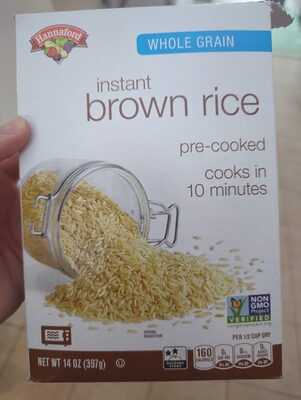
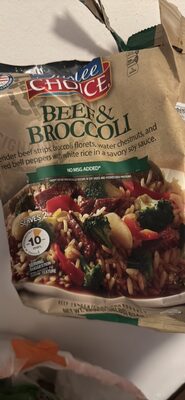
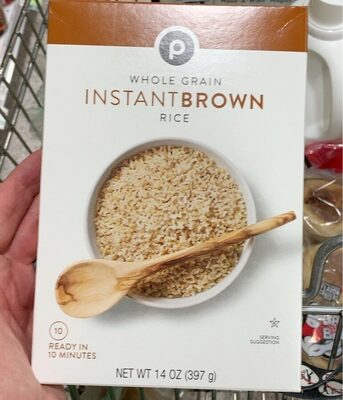
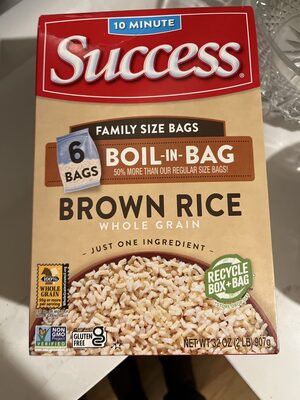
Learn more
Auto-generated content. This description was generated automatically and is pending editorial review. Inaccuracies are possible. Found a mistake? Contact us.