Low Methoxyl Amidated Pectin
What is Low Methoxyl Amidated Pectin?
Low methoxyl amidated pectin is a modified form of pectin, a natural gelling agent found in fruits like apples and citrus peels. It is produced by treating regular pectin with alcohol and then reacting it with ammonia to create amide groups, which affects its gelling properties.
Is Low Methoxyl Amidated Pectin vegan?
Low Methoxyl Amidated Pectin is not animal-derived. Products that contain it can still include other animal-derived ingredients, so check the full ingredient list.
Is Low Methoxyl Amidated Pectin gluten-free?
It does not contain gluten.
Is Low Methoxyl Amidated Pectin a major allergen?
Pectin is derived from fruits and is not a major allergen.
What is Low Methoxyl Amidated Pectin used for?
This ingredient is used as a stabilizer and thickener in various food products.
Is Low Methoxyl Amidated Pectin safe?
Low methoxyl amidated pectin is generally recognized as safe (GRAS) by the FDA for use in food.
Why it's used
This ingredient is used as a stabilizer and thickener in various food products. It helps create a desired texture and consistency, particularly in low-sugar or sugar-free jams, jellies, and dairy-based desserts. It is also found in some baked goods and meat products.
Health notes
Low methoxyl amidated pectin is generally recognized as safe (GRAS) by the FDA for use in food. It functions as a dietary fiber and is not associated with adverse health effects at typical consumption levels. International bodies like JECFA and EFSA have evaluated pectin and its derivatives, and they are permitted for use in food.
Allergen info
Pectin is derived from fruits and is not a major allergen. It does not contain gluten.
Foods that contain Low Methoxyl Amidated Pectin
Compare products →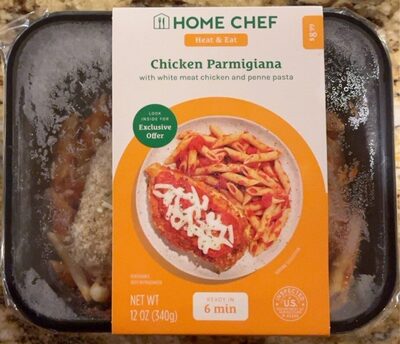
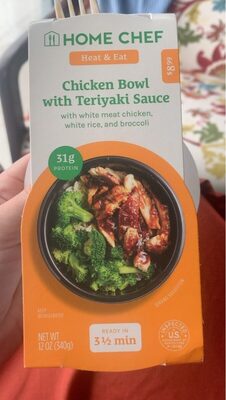
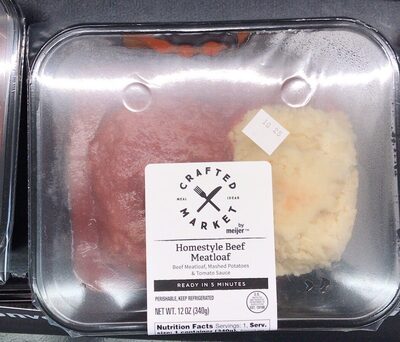
Learn more
Auto-generated content. This description was generated automatically and is pending editorial review. Inaccuracies are possible. Found a mistake? Contact us.