Lowfat Cocoa
What is Lowfat Cocoa?
Lowfat cocoa is made by removing most of the cocoa butter (fat) from ground cocoa beans. The remaining powder is then processed, often with alkali, to create a darker color and milder flavor.
Is Lowfat Cocoa vegan?
Lowfat Cocoa is not animal-derived. Products that contain it can still include other animal-derived ingredients, so check the full ingredient list.
Is Lowfat Cocoa gluten-free?
It does not contain gluten.
Is Lowfat Cocoa a major allergen?
Lowfat cocoa is not derived from any of the 9 FDA major allergens.
What is Lowfat Cocoa used for?
Manufacturers use lowfat cocoa as a flavoring agent and colorant in a wide variety of chocolate-flavored products.
Is Lowfat Cocoa safe?
Lowfat cocoa is generally recognized as safe (GRAS) by the FDA for use in food.
Why it's used
Manufacturers use lowfat cocoa as a flavoring agent and colorant in a wide variety of chocolate-flavored products. It is commonly found in baked goods like cookies and cakes, as well as in ice cream, chocolate bars, and beverages.
Health notes
Lowfat cocoa is generally recognized as safe (GRAS) by the FDA for use in food. It is a source of flavanols, which are plant compounds that have been studied for potential antioxidant effects. Regulatory bodies like EFSA and JECFA have evaluated cocoa and its components. Evidence on the health effects of cocoa flavanols is ongoing, with some studies suggesting benefits related to heart health, while others show mixed results.
Allergen info
Lowfat cocoa is not derived from any of the 9 FDA major allergens. It does not contain gluten.
Foods that contain Lowfat Cocoa
Compare products →
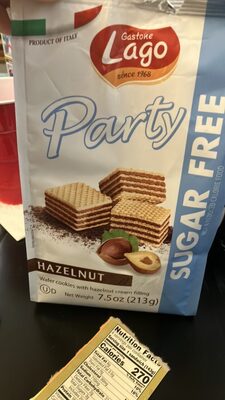

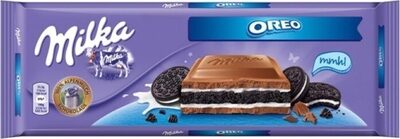
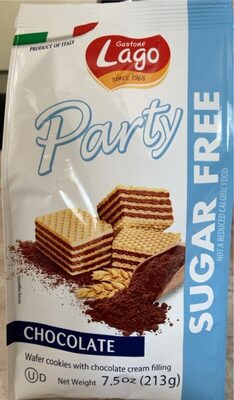

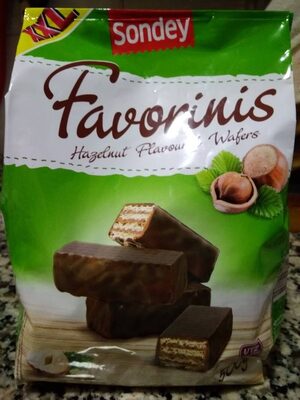
Learn more
Auto-generated content. This description was generated automatically and is pending editorial review. Inaccuracies are possible. Found a mistake? Contact us.