Mace Powder
What is Mace Powder?
Mace is the outer covering, or aril, of the nutmeg seed. It is a spice that comes from the same tropical evergreen tree, *Myristica fragrans*, native to the Banda Islands of Indonesia. After harvesting, the red aril is removed from the nutmeg seed, dried, and then ground into a powder.
Is Mace Powder vegan?
Mace Powder is not animal-derived. Products that contain it can still include other animal-derived ingredients, so check the full ingredient list.
Is Mace Powder gluten-free?
It does not contain gluten.
Is Mace Powder a major allergen?
Mace is not one of the nine major allergens recognized by the FDA.
What is Mace Powder used for?
Mace powder is used as a spice to add a warm, pungent, and slightly sweet flavor to foods.
Is Mace Powder safe?
Mace is generally recognized as safe (GRAS) by the FDA when used as a food ingredient.
Why it's used
Mace powder is used as a spice to add a warm, pungent, and slightly sweet flavor to foods. It is often found in baked goods, custards, dairy products, sausages, and in spice blends like curry powder. Manufacturers use it primarily for its flavor.
Health notes
Mace is generally recognized as safe (GRAS) by the FDA when used as a food ingredient. It is a source of some nutrients, like manganese and iron, in small amounts. JECFA has evaluated nutmeg and mace and established an acceptable daily intake. While generally safe in culinary amounts, very high doses of nutmeg and mace can cause adverse effects. Evidence regarding specific long-term health benefits or risks at typical consumption levels is limited.
Allergen info
Mace is not one of the nine major allergens recognized by the FDA. It does not contain gluten.
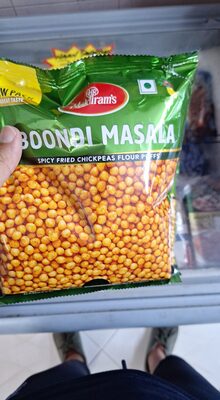
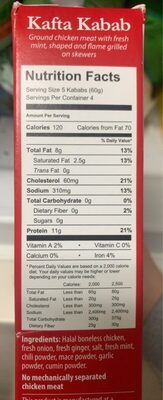
Foods that contain Mace Powder
Compare products →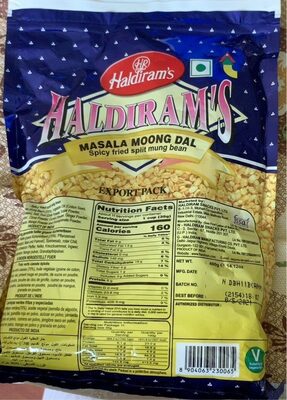
Learn more
Auto-generated content. This description was generated automatically and is pending editorial review. Inaccuracies are possible. Found a mistake? Contact us.