Maltdextrin
What is Maltdextrin?
Maltodextrin is a polysaccharide made from starch, typically from corn, rice, potato, or wheat. It is produced by partial hydrolysis of the starch, a process that breaks down the long starch chains into shorter ones. This results in a white powder that is easily digestible.
Is Maltdextrin vegan?
Maltdextrin is not animal-derived. Products that contain it can still include other animal-derived ingredients, so check the full ingredient list.
Is Maltdextrin gluten-free?
If derived from wheat, it may not be gluten-free.
Is Maltdextrin a major allergen?
Maltodextrin is derived from starch, which can come from wheat.
What is Maltdextrin used for?
Manufacturers add maltodextrin as a thickener, a bulking agent, or a stabilizer.
Is Maltdextrin safe?
Maltodextrin is generally recognized as safe (GRAS) by the FDA for use in food.
Why it's used
Manufacturers add maltodextrin as a thickener, a bulking agent, or a stabilizer. It can also be used to extend the shelf life of foods. You can find it in a variety of processed foods, including baked goods, sauces, powdered drinks, and snacks.
Health notes
Maltodextrin is generally recognized as safe (GRAS) by the FDA for use in food. It is a carbohydrate that can affect blood sugar levels, though typically less so than pure sugar. JECFA and EFSA have evaluated maltodextrin, and it is permitted for use in the EU. There are no widespread controversies regarding its safety at typical consumption levels.
Allergen info
Maltodextrin is derived from starch, which can come from wheat. If derived from wheat, it may not be gluten-free. It is not one of the other major allergens.
Foods that contain Maltdextrin
Compare products →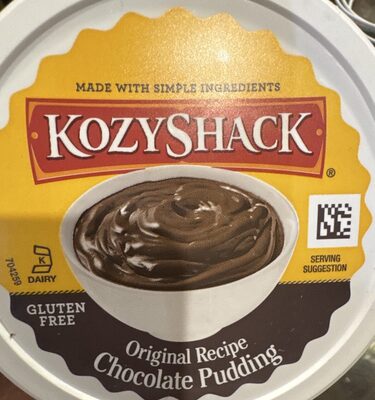
Auto-generated content. This description was generated automatically and is pending editorial review. Inaccuracies are possible. Found a mistake? Contact us.