Hydrolyzed Corn Gluten
What is Hydrolyzed Corn Gluten?
Hydrolyzed corn gluten is made by breaking down corn gluten protein into smaller pieces. Corn gluten is the protein-rich outer layer of the corn kernel, a byproduct of corn wet milling. The hydrolysis process uses enzymes or acids to split the protein chains.
Is Hydrolyzed Corn Gluten vegan?
Hydrolyzed Corn Gluten is not animal-derived. Products that contain it can still include other animal-derived ingredients, so check the full ingredient list.
Is Hydrolyzed Corn Gluten gluten-free?
Hydrolyzed corn gluten is derived from corn, which is not one of the nine major allergens recognized by the FDA.
What is Hydrolyzed Corn Gluten used for?
Manufacturers use hydrolyzed corn gluten to add a savory, umami flavor to foods.
Is Hydrolyzed Corn Gluten safe?
In the U.S., hydrolyzed corn gluten is generally recognized as safe (GRAS) by the FDA for use as a flavoring substance.
Why it's used
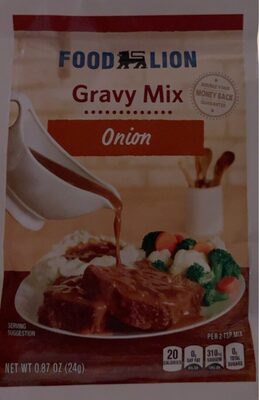
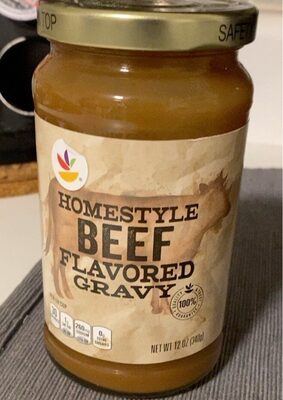
Manufacturers use hydrolyzed corn gluten to add a savory, umami flavor to foods. It can also act as a flavor enhancer, making other tastes more pronounced. It is commonly found in savory products like gravies, soups, sauces, and seasoned snacks.
Health notes
In the U.S., hydrolyzed corn gluten is generally recognized as safe (GRAS) by the FDA for use as a flavoring substance. Regulatory bodies like JECFA have evaluated similar hydrolyzed proteins and established acceptable daily intake levels. Current research does not indicate adverse health effects from consuming typical amounts found in food.
Allergen info
Hydrolyzed corn gluten is derived from corn, which is not one of the nine major allergens recognized by the FDA. It does not contain gluten.
Foods that contain Hydrolyzed Corn Gluten
Compare products →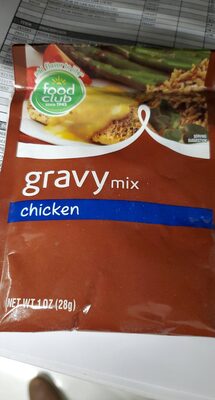
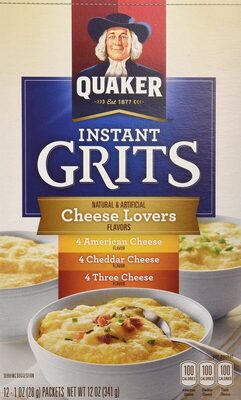
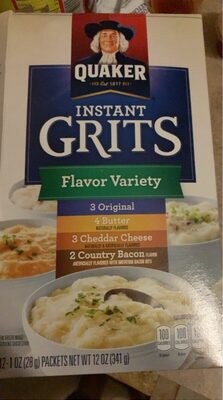
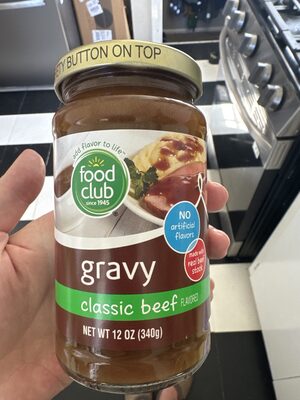
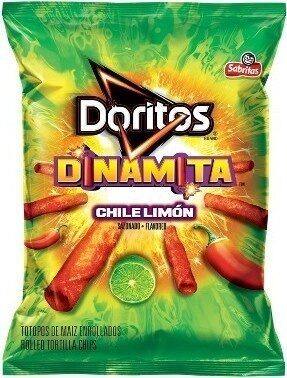 Doritos
Chile Limon Flavored Rolled Tortilla Chips, Chile Limon
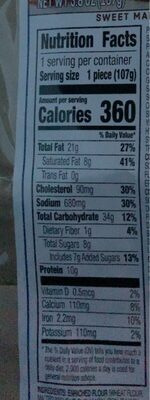
536kcal
7.1Protein
28.6Fat
64.3Carbs
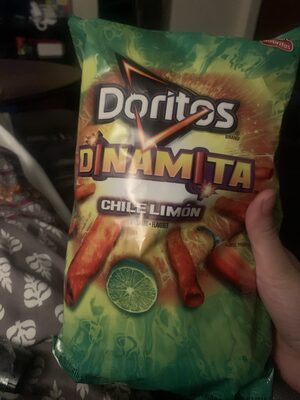 Doritos
Chile Limon Rolled Flavored Tortilla Chips, Chile Limon
536kcal
7.1Protein
28.6Fat
64.3Carbs
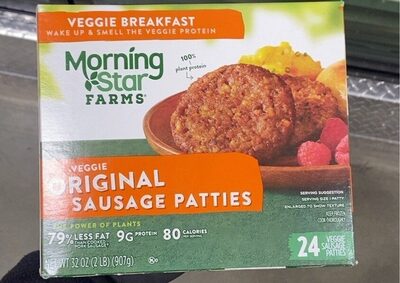
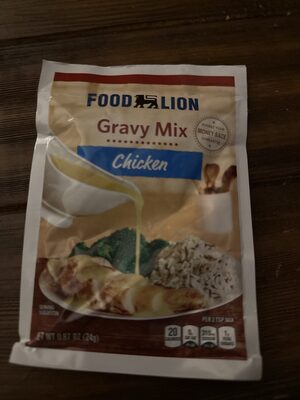
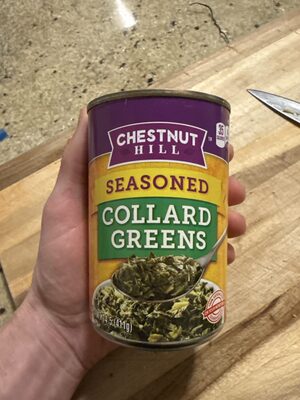
Learn more
Auto-generated content. This description was generated automatically and is pending editorial review. Inaccuracies are possible. Found a mistake? Contact us.