Maltose
What is Maltose?
Maltose is a sugar made of two glucose units. It is found naturally in small amounts in fruits and vegetables. It is commonly produced commercially by the enzymatic breakdown of starch, often from barley or corn.
Is Maltose vegan?
Maltose is not animal-derived. Products that contain it can still include other animal-derived ingredients, so check the full ingredient list.
Is Maltose gluten-free?
It does not contain gluten.
Is Maltose a major allergen?
Maltose is not derived from any of the 9 FDA major allergens.
What is Maltose used for?
Maltose is used as a sweetener and to add body and texture to foods.
Is Maltose safe?
Maltose is generally recognized as safe (GRAS) by the FDA for use in food.
Why it's used
Maltose is used as a sweetener and to add body and texture to foods. It is less sweet than sucrose (table sugar). It can be found in baked goods, candy, beverages, and processed snacks.
Health notes
Maltose is generally recognized as safe (GRAS) by the FDA for use in food. Like other sugars, consuming large amounts can contribute to calorie intake and may affect blood sugar levels. JECFA has evaluated maltose and established an acceptable daily intake. EFSA has also evaluated maltose and found it safe when used as a food additive.
Allergen info
Maltose is not derived from any of the 9 FDA major allergens. It does not contain gluten.
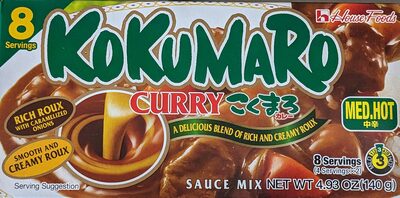
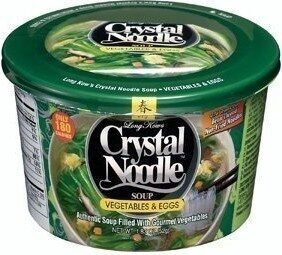
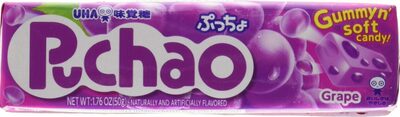
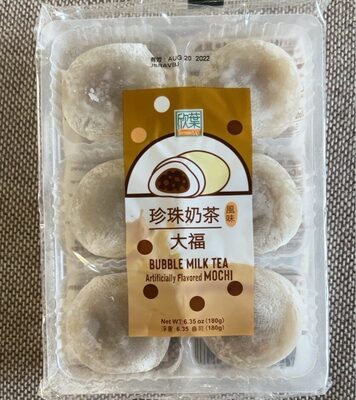
Foods that contain Maltose
Compare products →
 Pillsbury
Big Cinnamon Rolls
High in sodium — 24% DV per serving
303kcal
5.0Protein
7.1Fat
54.5Carbs



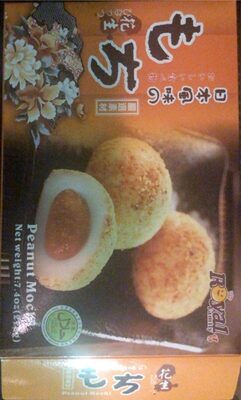

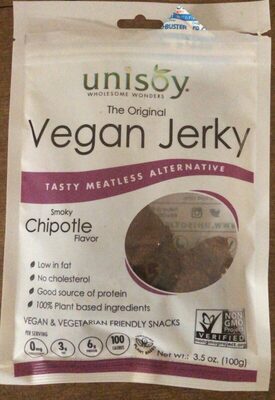
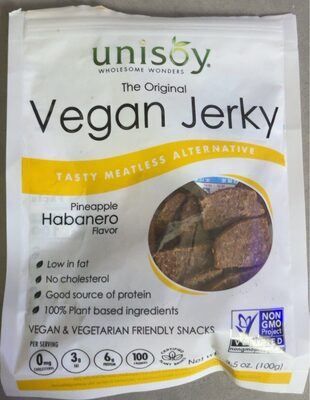
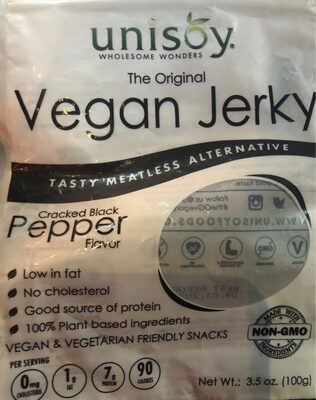
Learn more
Auto-generated content. This description was generated automatically and is pending editorial review. Inaccuracies are possible. Found a mistake? Contact us.