Manganese Amino Acid Chelate
What is Manganese Amino Acid Chelate?
Manganese amino acid chelate is a compound where the mineral manganese is bonded to amino acids. This bonding process, called chelation, helps the body absorb the manganese more easily. It is typically made by reacting manganese salts with amino acids.
Is Manganese Amino Acid Chelate gluten-free?
It does not contain gluten.
Is Manganese Amino Acid Chelate a major allergen?
Manganese amino acid chelate is not derived from any of the FDA's major allergens.
What is Manganese Amino Acid Chelate used for?
Manufacturers add manganese amino acid chelate to foods and beverages as a source of the essential mineral manganese.
Is Manganese Amino Acid Chelate safe?
Manganese is an essential nutrient that plays a role in various bodily functions.
Why it's used
Manufacturers add manganese amino acid chelate to foods and beverages as a source of the essential mineral manganese. It is often found in fortified products such as energy drinks, protein bars, and other nutritional supplements.
Health notes
Manganese is an essential nutrient that plays a role in various bodily functions. The U.S. Food and Drug Administration (FDA) has affirmed that manganese amino acid chelate is Generally Recognized As Safe (GRAS) when used as a nutrient supplement. International bodies like the Joint FAO/WHO Expert Committee on Food Additives (JECFA) and the European Food Safety Authority (EFSA) have also evaluated manganese compounds. At typical dietary intakes, manganese is considered safe and beneficial.
Allergen info
Manganese amino acid chelate is not derived from any of the FDA's major allergens. It does not contain gluten.
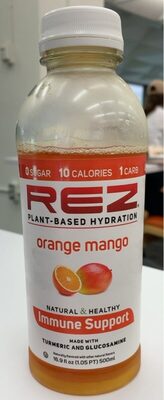
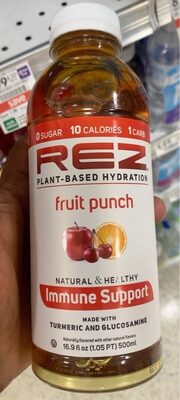
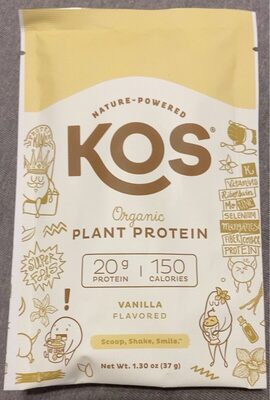
Foods that contain Manganese Amino Acid Chelate
Compare products →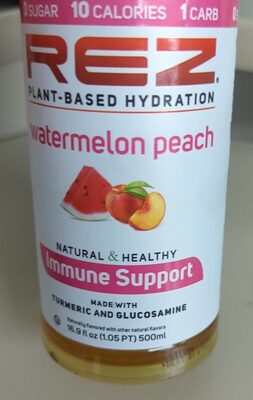
Learn more
Auto-generated content. This description was generated automatically and is pending editorial review. Inaccuracies are possible. Found a mistake? Contact us.