Mano And Diglycerides
What is Mano And Diglycerides?
Mono- and diglycerides are fats that are commonly found in animal and plant sources. They are produced commercially by combining glycerol with fatty acids, often derived from vegetable oils like palm or soy, or from animal fats. This process creates a mixture of mono- and diglycerides, which are then used as food ingredients.
Is Mano And Diglycerides gluten-free?
They do not contain gluten.
Is Mano And Diglycerides a major allergen?
Mono- and diglycerides are not derived from the major allergens.
What is Mano And Diglycerides used for?
Manufacturers add mono- and diglycerides primarily to improve texture and shelf life in baked goods and other processed foods.
Is Mano And Diglycerides safe?
Mono- and diglycerides are generally recognized as safe (GRAS) by the FDA for use in food.
Why it's used
Manufacturers add mono- and diglycerides primarily to improve texture and shelf life in baked goods and other processed foods. They act as emulsifiers, helping to blend ingredients that normally don't mix well, like oil and water. This results in a smoother texture, better volume, and increased tenderness in products such as cakes, breads, ice cream, and margarine.
Health notes
Mono- and diglycerides are generally recognized as safe (GRAS) by the FDA for use in food. They are a common component of fats in the diet and are not typically associated with adverse health effects when consumed in normal amounts. JECFA and EFSA have evaluated mono- and diglycerides, and they are permitted for use in many countries. There are no major controversies or significant health concerns associated with their use at typical dietary levels.
Allergen info
Mono- and diglycerides are not derived from the major allergens. They do not contain gluten.
Foods that contain Mano And Diglycerides
Compare products →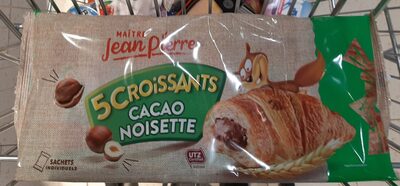 Sun Beach Accessories
Croissants With Hazelnut Creme Filling, Hazelnut
High in saturated fat — 40% DV per serving
High in added sugars — 22% DV per serving
492kcal
7.7Protein
29.2Fat
46.1Carbs
Dutch Maid Bakery Inc
Dutch Maid Bakery, Chocolate Mother's Day Cake
High in saturated fat — 35% DV per serving
427kcal
2.7Protein
22.7Fat
54.7Carbs
Prairie City Bakery Company
Salted Caramel Molten Lava Cake, Salted Caramel
High in saturated fat — 30% DV per serving
High in added sugars — 82% DV per serving
High in cholesterol — 22% DV per serving
418kcal
—Protein
22.0Fat
55.0Carbs
Sun Beach Accessories
Croissants With Hazelnut Creme Filling, Hazelnut
High in saturated fat — 40% DV per serving
High in added sugars — 22% DV per serving
492kcal
7.7Protein
29.2Fat
46.1Carbs
Dutch Maid Bakery Inc
Dutch Maid Bakery, Chocolate Mother's Day Cake
High in saturated fat — 35% DV per serving
427kcal
2.7Protein
22.7Fat
54.7Carbs
Prairie City Bakery Company
Salted Caramel Molten Lava Cake, Salted Caramel
High in saturated fat — 30% DV per serving
High in added sugars — 82% DV per serving
High in cholesterol — 22% DV per serving
418kcal
—Protein
22.0Fat
55.0Carbs
Learn more
Auto-generated content. This description was generated automatically and is pending editorial review. Inaccuracies are possible. Found a mistake? Contact us.