Mechanically Hulled Sesame Seeds
What is Mechanically Hulled Sesame Seeds?
Mechanically hulled sesame seeds are whole sesame seeds that have had their outer hulls removed using mechanical processes, rather than by hand. This process makes them easier to use in food production and can result in a lighter color and milder flavor compared to unhulled seeds. They are the seeds of the sesame plant, grown in many parts of the world.
Is Mechanically Hulled Sesame Seeds vegan?
Mechanically Hulled Sesame Seeds is not animal-derived. Products that contain it can still include other animal-derived ingredients, so check the full ingredient list.
Is Mechanically Hulled Sesame Seeds gluten-free?
Gluten is not present in sesame seeds.
Is Mechanically Hulled Sesame Seeds a major allergen?
Sesame is one of the 9 major allergens recognized by the FDA.
What is Mechanically Hulled Sesame Seeds used for?
Manufacturers use mechanically hulled sesame seeds for their nutty flavor and texture.
Is Mechanically Hulled Sesame Seeds safe?
Mechanically hulled sesame seeds are generally recognized as safe (GRAS) by the FDA for use in food.
Why it's used
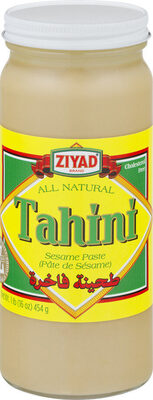
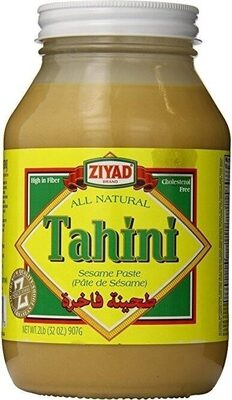
Manufacturers use mechanically hulled sesame seeds for their nutty flavor and texture. They are often found in baked goods like bread and crackers, as well as in tahini (sesame paste), hummus, and as a topping for various dishes. Their mild flavor makes them versatile in many different cuisines.
Health notes
Mechanically hulled sesame seeds are generally recognized as safe (GRAS) by the FDA for use in food. They are a source of healthy fats, protein, and minerals. Regulatory bodies like JECFA and EFSA have evaluated sesame, and it is considered a nutritious food ingredient. No specific health concerns are associated with typical consumption levels.
Allergen info
Sesame is one of the 9 major allergens recognized by the FDA. Therefore, mechanically hulled sesame seeds are a major allergen. Gluten is not present in sesame seeds.
Foods that contain Mechanically Hulled Sesame Seeds
Compare products →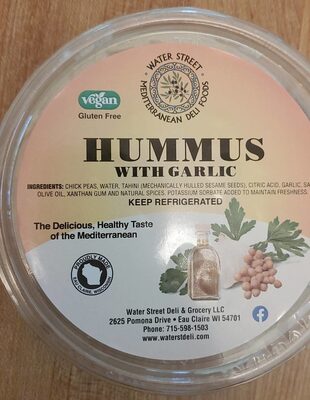
Learn more
Auto-generated content. This description was generated automatically and is pending editorial review. Inaccuracies are possible. Found a mistake? Contact us.