Methyl Cellulose Gum
What is Methyl Cellulose Gum?
Methyl cellulose gum is a plant-derived food additive. It is made by chemically modifying cellulose, a natural fiber found in plant cell walls. The process involves treating cellulose with methyl chloride and sodium hydroxide.
Is Methyl Cellulose Gum vegan?
Methyl Cellulose Gum is not animal-derived. Products that contain it can still include other animal-derived ingredients, so check the full ingredient list.
Is Methyl Cellulose Gum gluten-free?
It does not contain gluten.
Is Methyl Cellulose Gum a major allergen?
Methyl cellulose gum is not derived from any of the nine FDA major allergens.
What is Methyl Cellulose Gum used for?
Manufacturers use methyl cellulose gum as a thickener, stabilizer, and emulsifier.
Is Methyl Cellulose Gum safe?
In the U.S., methyl cellulose gum is generally recognized as safe (GRAS) by the FDA.
Why it's used
Manufacturers use methyl cellulose gum as a thickener, stabilizer, and emulsifier. It helps improve the texture and consistency of foods. It is commonly found in baked goods, desserts, and processed foods like snack bars.
Health notes
In the U.S., methyl cellulose gum is generally recognized as safe (GRAS) by the FDA. It is poorly absorbed by the body and is often used as a dietary fiber supplement. International bodies like JECFA and EFSA have evaluated methyl cellulose gum. While generally considered safe, consuming large amounts may cause digestive discomfort.
Allergen info
Methyl cellulose gum is not derived from any of the nine FDA major allergens. It does not contain gluten.
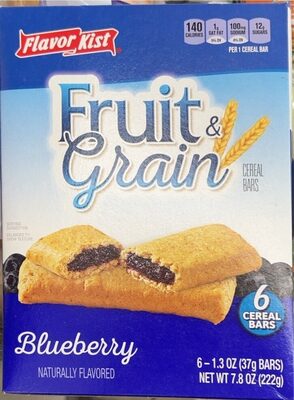
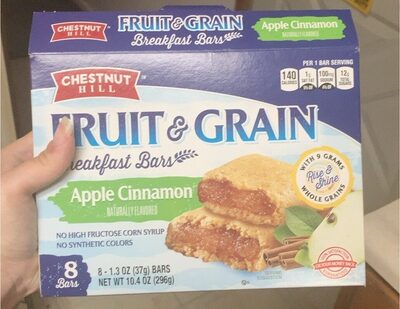
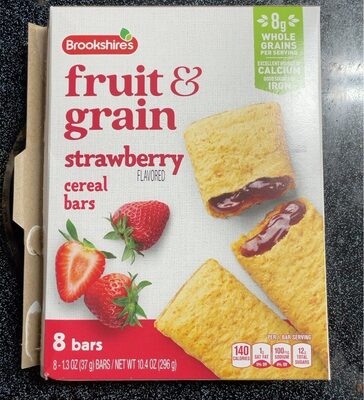
Foods that contain Methyl Cellulose Gum
Compare products →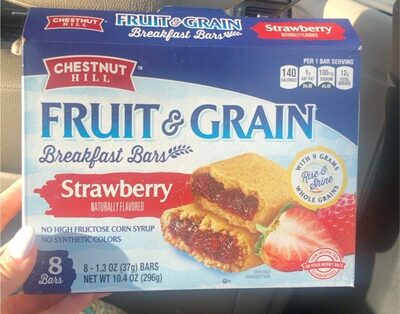
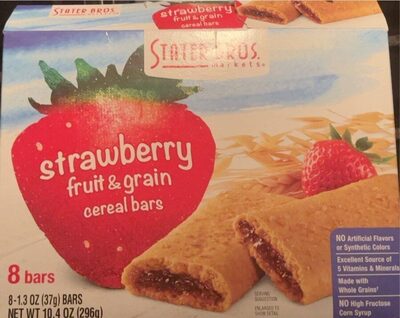
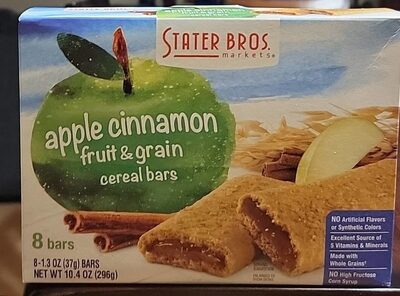
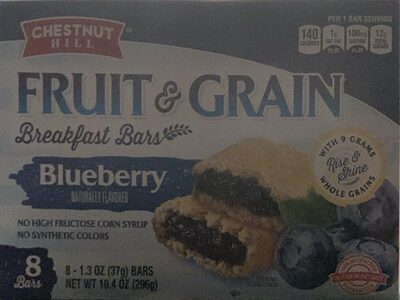
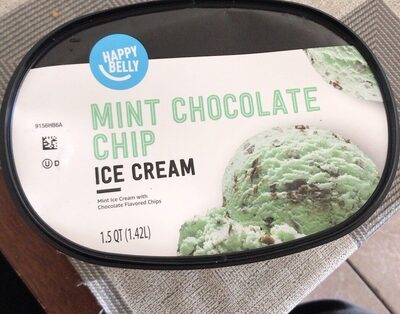

Learn more
Auto-generated content. This description was generated automatically and is pending editorial review. Inaccuracies are possible. Found a mistake? Contact us.