Milk And Dark Chocolate
Auto-generated content. This description was generated automatically and is pending editorial review. Inaccuracies are possible. Found a mistake? Contact us.
What it is
Chocolate is made from roasted cacao beans, which are ground into a paste called chocolate liquor. This liquor is then mixed with sugar and other ingredients. Milk chocolate includes milk solids, while dark chocolate has a higher percentage of cacao solids and less or no milk.
Why it's used
Chocolate is used as a primary ingredient and flavor in confectionery, baked goods, and beverages. It provides a rich, sweet, and sometimes bitter taste. Manufacturers also use it for its texture and melting properties.
Health notes
Chocolate contains flavanols, which are plant compounds that may have antioxidant effects. Some research suggests these compounds might benefit heart health, but evidence is mixed and more studies are needed. The FDA has not set specific regulations for flavanol intake. The U.S. National Academies have not set an upper intake level for chocolate or its components. JECFA and EFSA have evaluated some components of chocolate, such as sugar and cocoa, but have not set specific limits for chocolate itself.
Allergen info
Milk chocolate is derived from milk, which is one of the nine major allergens. Dark chocolate may also be cross-contaminated with milk if produced in the same facility. It does not contain gluten, wheat, soy, eggs, fish, shellfish, tree nuts, peanuts, or sesame unless added.
Products containing Milk And Dark Chocolate
Compare products →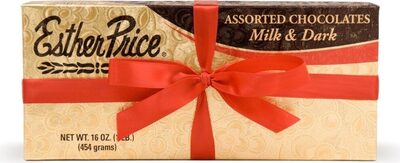 Esther Price Candies Corp.
Fine Chocolates
High in saturated fat — 20% DV per serving
500kcal
5.3Protein
23.7Fat
65.8Carbs
Esther Price Candies Corp.
Assorted Fine Chocolates
High in saturated fat — 20% DV per serving
500kcal
5.3Protein
23.7Fat
65.8Carbs
Esther Price Candies Corp.
Fine Chocolates
High in saturated fat — 20% DV per serving
500kcal
5.3Protein
23.7Fat
65.8Carbs
Esther Price Candies Corp.
Assorted Fine Chocolates
High in saturated fat — 20% DV per serving
500kcal
5.3Protein
23.7Fat
65.8Carbs
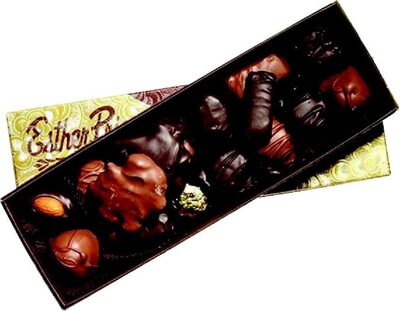 Esther Price Candies Corp.
Esther Price, Assorted Dark Chocolate
High in saturated fat — 20% DV per serving
500kcal
5.3Protein
23.7Fat
65.8Carbs
FAMOUS BRANDS INTERNATIONAL
Maxfield's, Assorted Chocolates
406kcal
3.1Protein
12.5Fat
68.8Carbs
Sweet Candy Company
Sweet's, Chocolate Bridge Mix
High in saturated fat — 20% DV per serving
463kcal
4.9Protein
21.9Fat
68.3Carbs
Esther Price Candies Corp.
Esther Price, Assorted Dark Chocolate
High in saturated fat — 20% DV per serving
500kcal
5.3Protein
23.7Fat
65.8Carbs
FAMOUS BRANDS INTERNATIONAL
Maxfield's, Assorted Chocolates
406kcal
3.1Protein
12.5Fat
68.8Carbs
Sweet Candy Company
Sweet's, Chocolate Bridge Mix
High in saturated fat — 20% DV per serving
463kcal
4.9Protein
21.9Fat
68.3Carbs
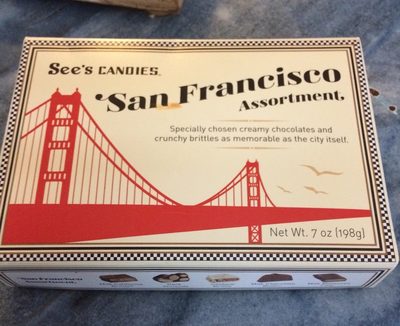 See's Candies, Inc.
San Francisco Assortment Milk California Brittle, Dark Almonds, Cashew Brittle, Milk Chocolate Butter, Milk Molasses Chip, San Francisco Assortment
High in saturated fat — 25% DV per serving
High in added sugars — 28% DV per serving
500kcal
6.2Protein
28.1Fat
59.4Carbs
Esther Price Candies Corp.
Cream Assortment Milk & Dark Fine Chocolates
High in saturated fat — 20% DV per serving
500kcal
5.3Protein
23.7Fat
65.8Carbs
See's Candies, Inc.
San Francisco Assortment Milk California Brittle, Dark Almonds, Cashew Brittle, Milk Chocolate Butter, Milk Molasses Chip, San Francisco Assortment
High in saturated fat — 25% DV per serving
High in added sugars — 28% DV per serving
500kcal
6.2Protein
28.1Fat
59.4Carbs
Esther Price Candies Corp.
Cream Assortment Milk & Dark Fine Chocolates
High in saturated fat — 20% DV per serving
500kcal
5.3Protein
23.7Fat
65.8Carbs