Miso
What is Miso?
Miso is a traditional Japanese seasoning produced by fermenting soybeans with salt and kōji (a type of fungus, usually Aspergillus oryzae). Other ingredients like rice, barley, or seaweed may also be included. The fermentation process can take from a few weeks to several years, developing a complex, savory flavor.
Is Miso vegan?
Miso is not animal-derived. Products that contain it can still include other animal-derived ingredients, so check the full ingredient list.
Is Miso gluten-free?
Depending on the specific ingredients used, it may also contain wheat or barley, which contain gluten.
Is Miso a major allergen?
Miso is derived from soybeans, which is one of the 9 FDA major allergens.
What is Miso used for?
Miso is primarily used as a flavoring agent, adding a rich, umami taste to foods.
Is Miso safe?
Miso is generally recognized as safe (GRAS) by the FDA for use in food.
Why it's used
Miso is primarily used as a flavoring agent, adding a rich, umami taste to foods. It is a key ingredient in miso soup but is also used in marinades, dressings, sauces, and glazes for meats, vegetables, and tofu. Its salty and savory profile makes it a versatile seasoning.
Health notes
Miso is generally recognized as safe (GRAS) by the FDA for use in food. It is a source of probiotics, which may support gut health, and contains various vitamins and minerals. JECFA has evaluated miso and did not set a numeric limit (ADI not specified). Some studies suggest potential health benefits associated with fermented foods like miso, but more research is needed to confirm these effects.
Allergen info
Miso is derived from soybeans, which is one of the 9 FDA major allergens. Depending on the specific ingredients used, it may also contain wheat or barley, which contain gluten.
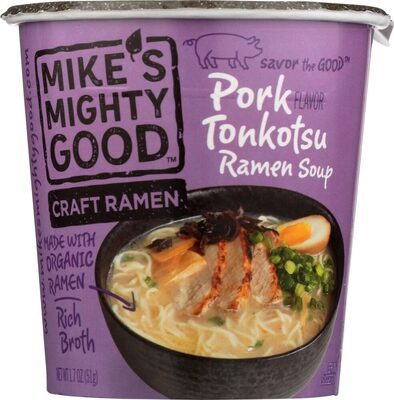
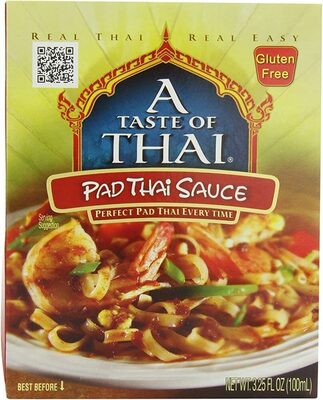
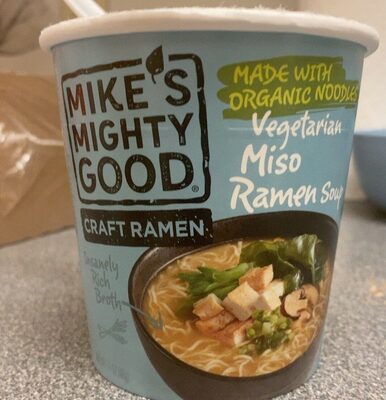
Foods that contain Miso
Compare products →
















Learn more
Auto-generated content. This description was generated automatically and is pending editorial review. Inaccuracies are possible. Found a mistake? Contact us.