Mixed Tocopherols And Vitamin C Ester
Auto-generated content. This description was generated automatically and is pending editorial review. Inaccuracies are possible. Found a mistake? Contact us.
What it is
Mixed tocopherols are a group of vitamin E compounds naturally found in vegetable oils. Vitamin C ester, also known as ascorbic acid ester, is a form of vitamin C. Together, they are often used as antioxidants, helping to prevent fats and oils in food from becoming rancid.
Why it's used
Manufacturers add mixed tocopherols and vitamin C ester to foods to extend shelf life by protecting against oxidation. They are commonly found in products containing fats and oils, such as dairy-free yogurt alternatives, baked goods, and processed meats.
Health notes
Mixed tocopherols are recognized by the FDA as Generally Recognized As Safe (GRAS) for use as a food additive. Vitamin C ester is also considered safe by the FDA. International bodies like JECFA have evaluated tocopherols and established acceptable daily intakes. These ingredients are forms of vitamin E and vitamin C, which are essential nutrients. At typical intake levels found in food, they are not associated with adverse health effects.
Allergen info
Mixed tocopherols are typically derived from vegetable oils like soy or corn, which are not among the 9 major allergens. Vitamin C ester is synthesized and not derived from major allergens. Therefore, this ingredient is not a major allergen and does not contain gluten.
Products containing Mixed Tocopherols And Vitamin C Ester
Compare products →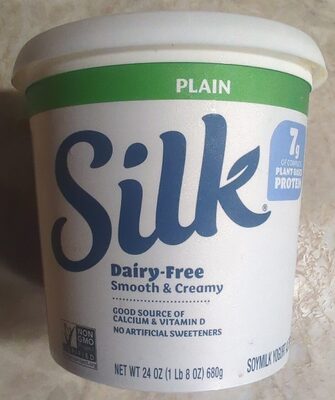 Danone US LLC
Silk Dairy Free Soy Yogurt Alternative 24oz Simply Plain
49kcal
3.1Protein
1.8Fat
4.4Carbs
Danone US LLC
Silk Dairy Free Soy Yogurt Alternative 24oz Simply Plain
49kcal
3.1Protein
1.8Fat
4.4Carbs
 Danone US LLC
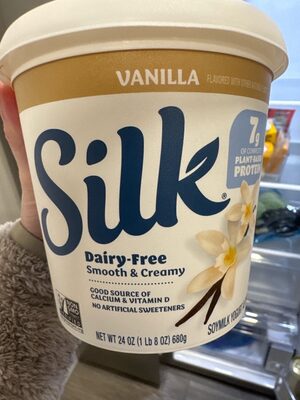
Silk Cult Soy 24oz Vanilla
High in added sugars — 36% DV per serving
67kcal
3.1Protein
1.6Fat
10.2Carbs
Danone US LLC
Silk Cult Soy 24oz Vanilla
High in added sugars — 36% DV per serving
67kcal
3.1Protein
1.6Fat
10.2Carbs
 Danone US LLC
Silk Cultured Soy Vanilla 5.3oz
High in added sugars — 32% DV per serving
93kcal
4Protein
2.3Fat
14Carbs
Danone US LLC
Silk Cultured Soy Vanilla 5.3oz
High in added sugars — 32% DV per serving
93kcal
4Protein
2.3Fat
14Carbs
 Danone US LLC
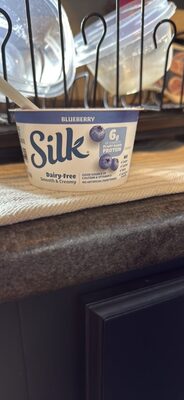
Silk Cult Soy 5.3oz Blueberry
High in added sugars — 24% DV per serving
87kcal
4Protein
2Fat
12.7Carbs
Danone US LLC
Silk Cult Soy 5.3oz Blueberry
High in added sugars — 24% DV per serving
87kcal
4Protein
2Fat
12.7Carbs
 Danone US LLC
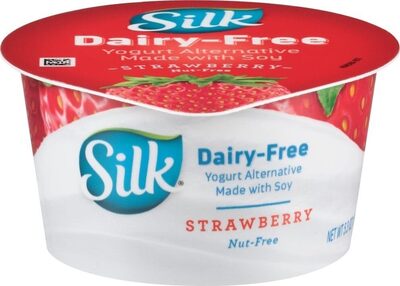
Silk Cult Soy 5.3oz Strawberry
High in added sugars — 22% DV per serving
87kcal
4Protein
2.3Fat
12Carbs
Danone US LLC
Silk Cult Soy 5.3oz Strawberry
High in added sugars — 22% DV per serving
87kcal
4Protein
2.3Fat
12Carbs
 Danone US LLC
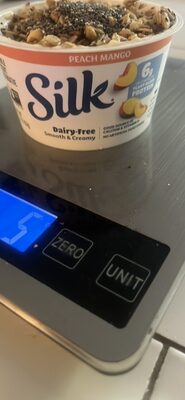
Silk Cultured Soy 5.3oz Peach & Mango
High in added sugars — 22% DV per serving
80kcal
4Protein
2.3Fat
11.3Carbs
Danone US LLC
Silk Cultured Soy 5.3oz Peach & Mango
High in added sugars — 22% DV per serving
80kcal
4Protein
2.3Fat
11.3Carbs