Modified Cellulose Gum/guar Gum
Auto-generated content. This description was generated automatically and is pending editorial review. Inaccuracies are possible. Found a mistake? Contact us.
What it is
Modified cellulose gum is a type of dietary fiber made from cellulose, a natural substance found in plant cell walls. It is chemically altered to improve its properties, such as solubility and viscosity. Guar gum is also a type of soluble fiber derived from the guar bean, a legume.
Why it's used
These gums are used as thickeners, stabilizers, and emulsifiers in a wide range of foods. They help improve texture and prevent ingredients from separating. You can find them in products like dairy alternatives, baked goods, sauces, dressings, and powdered drink mixes.
Health notes
Modified cellulose gum and guar gum are generally recognized as safe (GRAS) by the FDA for use in food. They are considered sources of dietary fiber, which can aid digestion. International bodies like JECFA and EFSA have evaluated these gums and found them safe for consumption. Some individuals may experience gas or bloating if they consume large amounts, especially if not accustomed to high-fiber foods.
Allergen info
Not a major allergen. Guar gum is derived from a legume, but it is not considered one of the major allergens.
Products containing Modified Cellulose Gum/guar Gum
Compare products →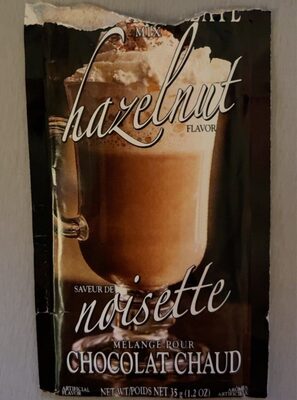 GOURMET VILLAGE MORIN HEIGHTS
Hazelnut Hot Chocolate Mix, Hazelnut
371kcal
5.7Protein
4.3Fat
85.7Carbs
GOURMET VILLAGE MORIN HEIGHTS
Hazelnut Hot Chocolate Mix, Hazelnut
371kcal
5.7Protein
4.3Fat
85.7Carbs
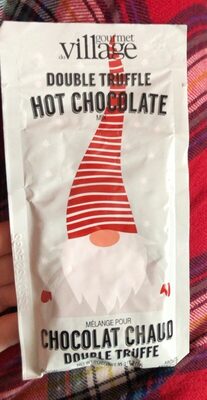 GOURMET DU VILLAGE
Double Truffle Flavor Hot Chocolate Mix, Double Truffle
371kcal
5.7Protein
4.3Fat
85.7Carbs
GOURMET DU VILLAGE
Double Truffle Hot Chocolate Mix, Double Truffle
362kcal
4.1Protein
2.6Fat
89.7Carbs
Concept Gourmet Du Village Inc.
Gourmet Du Village, Lemonade Drink Mix, Raspberry
400kcal
0Protein
0Fat
94.3Carbs
Concept Gourmet Du Village Inc.
Hot Chocolate Mix
High in saturated fat — 25% DV per serving
457kcal
5.7Protein
14.3Fat
80Carbs
GOURMET DU VILLAGE
Double Truffle Flavor Hot Chocolate Mix, Double Truffle
371kcal
5.7Protein
4.3Fat
85.7Carbs
GOURMET DU VILLAGE
Double Truffle Hot Chocolate Mix, Double Truffle
362kcal
4.1Protein
2.6Fat
89.7Carbs
Concept Gourmet Du Village Inc.
Gourmet Du Village, Lemonade Drink Mix, Raspberry
400kcal
0Protein
0Fat
94.3Carbs
Concept Gourmet Du Village Inc.
Hot Chocolate Mix
High in saturated fat — 25% DV per serving
457kcal
5.7Protein
14.3Fat
80Carbs