Monoglycerides And Preservative
What is Monoglycerides And Preservative?
Monoglycerides are a type of fat that can be made from animal or vegetable sources. They are often produced by combining fatty acids with glycerol. Preservatives are substances added to food to prevent spoilage caused by microorganisms.
Is Monoglycerides And Preservative a major allergen?
Monoglycerides are not a major allergen.
What is Monoglycerides And Preservative used for?
Monoglycerides act as emulsifiers, helping to blend ingredients that normally don't mix, like oil and water.
Is Monoglycerides And Preservative safe?
Monoglycerides are generally recognized as safe (GRAS) by the FDA when used as intended.
Why it's used
Monoglycerides act as emulsifiers, helping to blend ingredients that normally don't mix, like oil and water. This improves texture and consistency. Preservatives extend the shelf life of foods by inhibiting the growth of bacteria, yeasts, and molds.
Health notes
Monoglycerides are generally recognized as safe (GRAS) by the FDA when used as intended. Preservatives vary in their regulatory status and potential health effects. Some preservatives have been evaluated by international bodies like JECFA and EFSA. While generally considered safe at typical consumption levels, ongoing research and consumer interest continue to explore the long-term impacts of various preservatives.
Allergen info
Monoglycerides are not a major allergen. Depending on the source (e.g., soy or dairy), they could be derived from major allergens, but the final ingredient is typically highly purified. Preservatives are generally not major allergens.
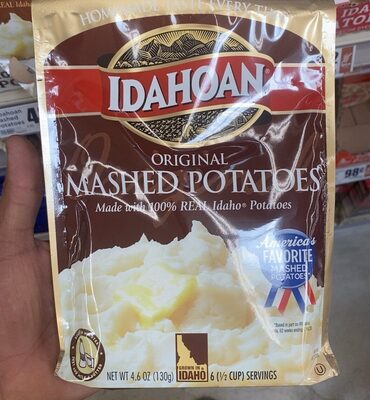
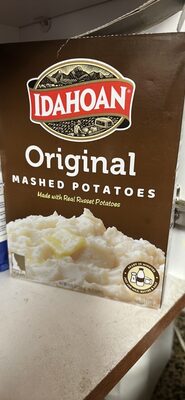
Foods that contain Monoglycerides And Preservative
Compare products →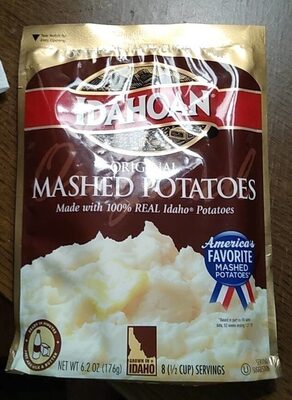
Learn more
Auto-generated content. This description was generated automatically and is pending editorial review. Inaccuracies are possible. Found a mistake? Contact us.