Mononcalcium Phosphate
What is Mononcalcium Phosphate?
Monocalcium phosphate is a chemical compound that is a salt of calcium and phosphoric acid. It is commonly produced by reacting calcium carbonate (like limestone) with phosphoric acid. It appears as a white powder.
Is Mononcalcium Phosphate a major allergen?
Not a major allergen.
What is Mononcalcium Phosphate used for?
This ingredient is often used as a leavening agent in baked goods, meaning it helps dough rise.
Is Mononcalcium Phosphate safe?
Monocalcium phosphate is generally recognized as safe (GRAS) by the U.S. Food and Drug Administration (FDA) for use in food.
Why it's used
This ingredient is often used as a leavening agent in baked goods, meaning it helps dough rise. It works with baking soda to create carbon dioxide gas, which makes products like breads and pastries light and fluffy. It can also be found in some dairy products and cereals.
Health notes
Monocalcium phosphate is generally recognized as safe (GRAS) by the U.S. Food and Drug Administration (FDA) for use in food. It is a source of calcium and phosphorus, which are important minerals for the body. JECFA (Joint FAO/WHO Expert Committee on Food Additives) has evaluated it and established an acceptable daily intake. EFSA (European Food Safety Authority) has also evaluated it.
Allergen info
Not a major allergen.
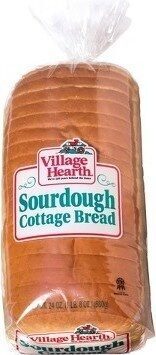
Foods that contain Mononcalcium Phosphate
Compare products →
Auto-generated content. This description was generated automatically and is pending editorial review. Inaccuracies are possible. Found a mistake? Contact us.