Nata De Coco
What is Nata De Coco?
Nata de coco is a chewy, jelly-like food made from fermented coconut water. It is produced by the bacterial fermentation of coconut water by Acetobacter xylinum. The resulting gel is then cut into cubes or other shapes.
Is Nata De Coco vegan?
Nata De Coco is not animal-derived. Products that contain it can still include other animal-derived ingredients, so check the full ingredient list.
Is Nata De Coco gluten-free?
It is also gluten-free.
Is Nata De Coco a major allergen?
Nata de coco is not derived from any of the 9 FDA major allergens.
What is Nata De Coco used for?
Nata de coco is often used as a textural ingredient in desserts, beverages, and fruit salads.
Is Nata De Coco safe?
Nata de coco is generally recognized as safe (GRAS) by the FDA for use in food.
Why it's used
Nata de coco is often used as a textural ingredient in desserts, beverages, and fruit salads. Its firm, slightly chewy texture adds an interesting mouthfeel, and it can absorb flavors from the surrounding liquid, making it a popular addition to puddings, jellies, and fruit cocktails.
Health notes
Nata de coco is generally recognized as safe (GRAS) by the FDA for use in food. It is primarily composed of dietary fiber, with minimal nutritional value in terms of protein, fat, or vitamins. JECFA has evaluated nata de coco and did not specify a numerical acceptable daily intake. It is not known to have adverse health effects at typical consumption levels.
Allergen info
Nata de coco is not derived from any of the 9 FDA major allergens. It is also gluten-free.
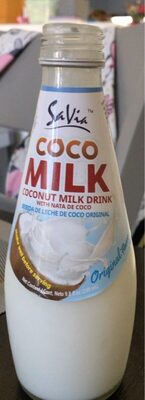
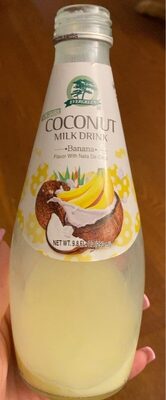
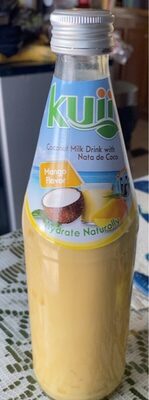
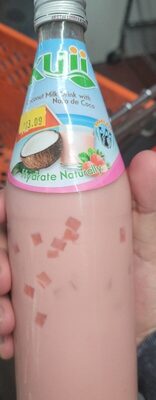
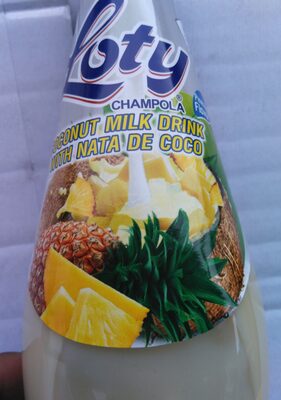
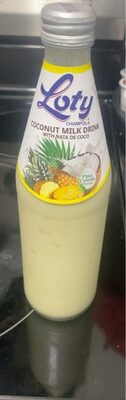
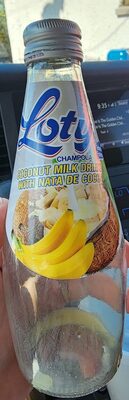
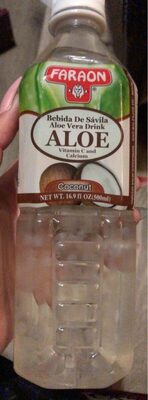
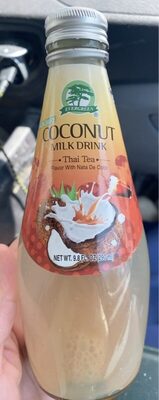
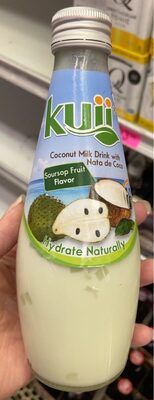
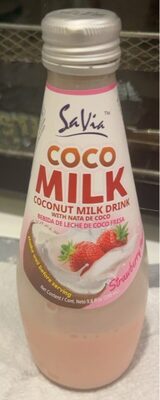
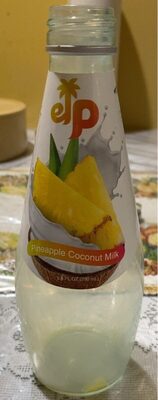
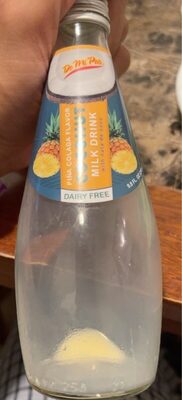
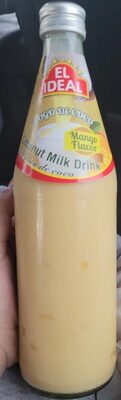
Foods that contain Nata De Coco
Compare products →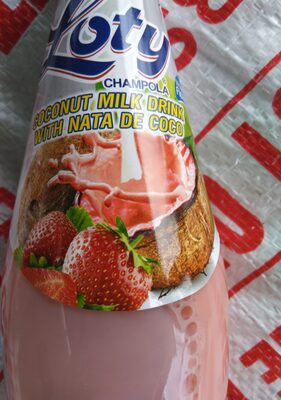
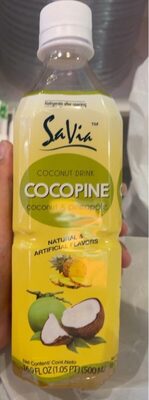
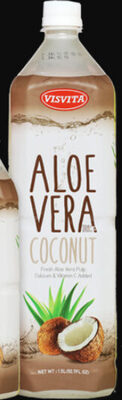

Auto-generated content. This description was generated automatically and is pending editorial review. Inaccuracies are possible. Found a mistake? Contact us.