Natural And Artificial Flavour
Auto-generated content. This description was generated automatically and is pending editorial review. Inaccuracies are possible. Found a mistake? Contact us.
What it is
Natural and artificial flavors are substances added to food to impart or enhance taste and aroma. Natural flavors are derived from plant or animal sources, while artificial flavors are synthesized in a lab. Both are complex mixtures of chemical compounds.
Why it's used
Manufacturers add flavors to make foods more appealing by mimicking or intensifying desirable tastes and smells. They are used in a wide variety of processed foods, including baked goods, candies, snacks, beverages, and dairy products.
Health notes
In the U.S., flavoring substances are regulated by the FDA. Many are considered Generally Recognized As Safe (GRAS) or are approved food additives. International bodies like JECFA and EFSA have also evaluated many flavoring substances. While generally considered safe at typical consumption levels, some people may have sensitivities to certain flavor compounds. Research on the long-term health effects of consuming complex mixtures of artificial flavors is ongoing.
Allergen info
Flavorings are not typically derived from the major allergens. However, if a natural flavor is derived from a source that is a major allergen (like milk or soy), that source must be declared on the ingredient list. Gluten is not typically found in flavorings.
Products containing Natural And Artificial Flavour
Compare products →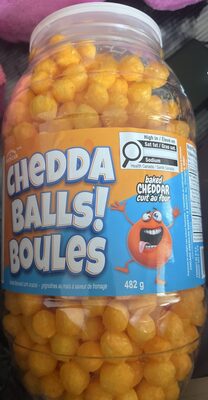 CHEDDA!
Corn Snacks Balls
500kcal
3.6Protein
32.1Fat
50Carbs
CHEDDA!
Chedda!, Balls-Boules Corn Snacks, Cheese
500kcal
3.6Protein
25Fat
67.9Carbs
CHICAGO AMERICAN
Crisps N' Twists Bold Snack Mix
464kcal
7.1Protein
17.9Fat
64.3Carbs
CH OCO LATE
Fine Belgian Chocolate
High in saturated fat — 22% DV per serving
395kcal
5.3Protein
21.1Fat
50Carbs
CHEDDA!
Corn Snacks Balls
500kcal
3.6Protein
32.1Fat
50Carbs
CHEDDA!
Chedda!, Balls-Boules Corn Snacks, Cheese
500kcal
3.6Protein
25Fat
67.9Carbs
CHICAGO AMERICAN
Crisps N' Twists Bold Snack Mix
464kcal
7.1Protein
17.9Fat
64.3Carbs
CH OCO LATE
Fine Belgian Chocolate
High in saturated fat — 22% DV per serving
395kcal
5.3Protein
21.1Fat
50Carbs
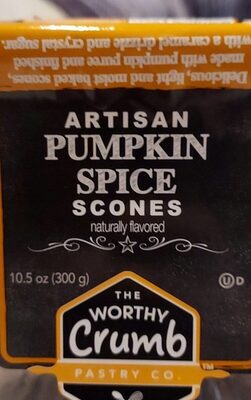 THE WORTHY CRUMB PASTRY CO.
Artisan Pumpkin Spice Scones, Pumpkin Spice
High in added sugars — 24% DV per serving
360kcal
5.3Protein
14.7Fat
48Carbs
MARTIN DESSERT
Extra Java Mini Cheesecake
High in saturated fat — 50% DV per serving
367kcal
4.4Protein
22.2Fat
37.8Carbs
THE WORTHY CRUMB PASTRY CO.
Artisan Pumpkin Spice Scones, Pumpkin Spice
High in added sugars — 24% DV per serving
360kcal
5.3Protein
14.7Fat
48Carbs
MARTIN DESSERT
Extra Java Mini Cheesecake
High in saturated fat — 50% DV per serving
367kcal
4.4Protein
22.2Fat
37.8Carbs
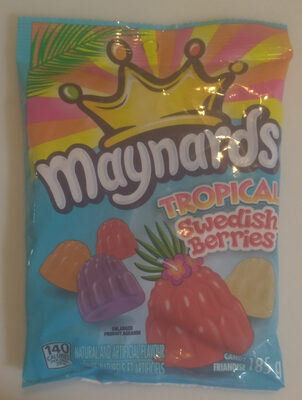 MAYNARDS
Tropical Swedish Berries Candy, Tropical Island, Passion Fruit, Pina Colada, Beachy Punch
359kcal
0Protein
0Fat
89.7Carbs
McIlhenny Company
Spartan, Cheese Balls
500kcal
3.6Protein
28.6Fat
53.6Carbs
Albaad USA Inc.
Gelino, Jelly Candies, Tropical, Tropical
375kcal
0Protein
0Fat
92.5Carbs
Empire Paint Manufacturing Company
Baketree, Fruit Bites Puff Pastry, Apple, Apple
259kcal
0Protein
17.6Fat
11.8Carbs
Empire Paint Manufacturing Company
Mini Turnover Snack, Strawberry
258kcal
0Protein
17.5Fat
12.3Carbs
Starbucks Coffee Company
Syrup, Cinnamon Dolce
333kcal
0Protein
0Fat
80Carbs
MAYNARDS
Tropical Swedish Berries Candy, Tropical Island, Passion Fruit, Pina Colada, Beachy Punch
359kcal
0Protein
0Fat
89.7Carbs
McIlhenny Company
Spartan, Cheese Balls
500kcal
3.6Protein
28.6Fat
53.6Carbs
Albaad USA Inc.
Gelino, Jelly Candies, Tropical, Tropical
375kcal
0Protein
0Fat
92.5Carbs
Empire Paint Manufacturing Company
Baketree, Fruit Bites Puff Pastry, Apple, Apple
259kcal
0Protein
17.6Fat
11.8Carbs
Empire Paint Manufacturing Company
Mini Turnover Snack, Strawberry
258kcal
0Protein
17.5Fat
12.3Carbs
Starbucks Coffee Company
Syrup, Cinnamon Dolce
333kcal
0Protein
0Fat
80Carbs