Natural Color Added
Auto-generated content. This description was generated automatically and is pending editorial review. Inaccuracies are possible. Found a mistake? Contact us.
What it is
This refers to coloring derived from natural sources like plants, minerals, or sometimes insects. The specific source can vary widely, but common examples include annatto from achiote seeds, carmine from cochineal insects, or turmeric from the turmeric plant.
Why it's used
Manufacturers add natural colors to make foods more visually appealing by replacing color lost during processing or to provide a specific hue. They are found in a wide variety of products, including beverages, dairy products, baked goods, snacks, and confectionery.
Health notes
Natural colors are generally recognized as safe (GRAS) by the FDA for use in food. International bodies like JECFA and EFSA have also evaluated many natural colorings. While generally considered safe, some individuals may have sensitivities or allergies to specific natural color sources, such as carmine derived from insects.
Allergen info
Not a major allergen. However, some natural colors are derived from sources that could be allergens, like carmine from insects, though it is not one of the 9 major allergens.
Products containing Natural Color Added
Compare products →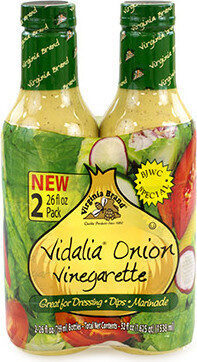 Virginia Honey Company, Inc.
Vidalia Onion Vinegarette
367kcal
0Protein
26.7Fat
23.3Carbs
Italian Rose Company
Fresh Cilantro Salsa
17kcal
0Protein
0Fat
3.3Carbs
Jardine Resources De Americas, LLC
Native Texan, Chipotle
150kcal
0Protein
11.7Fat
10Carbs
Margie's Brands, Inc.
Margie's, Strawberry Banana Syrup
189kcal
1.4Protein
0Fat
46.0Carbs
Angy's Tortellini, Inc.
Lobster Ravioli
200kcal
10Protein
3Fat
35Carbs
Virginia Honey Company, Inc.
Vidalia Onion Vinegarette
367kcal
0Protein
26.7Fat
23.3Carbs
Italian Rose Company
Fresh Cilantro Salsa
17kcal
0Protein
0Fat
3.3Carbs
Jardine Resources De Americas, LLC
Native Texan, Chipotle
150kcal
0Protein
11.7Fat
10Carbs
Margie's Brands, Inc.
Margie's, Strawberry Banana Syrup
189kcal
1.4Protein
0Fat
46.0Carbs
Angy's Tortellini, Inc.
Lobster Ravioli
200kcal
10Protein
3Fat
35Carbs
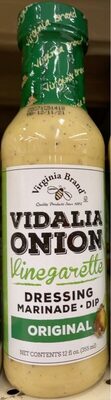 Virginia Honey Company, Inc.
Original Onion Vinegarette Dressing
367kcal
0Protein
30Fat
23.3Carbs
Virginia Honey Company, Inc.
Original Onion Vinegarette Dressing
367kcal
0Protein
30Fat
23.3Carbs