Natural Food Coloring
What is Natural Food Coloring?
Natural food coloring comes from plants, minerals, or sometimes animals. These colorants are extracted or processed from natural sources like fruits, vegetables, spices, and other edible materials. They are used to add or restore color to foods, making them more visually appealing.
Is Natural Food Coloring a major allergen?
Natural food colorings are not typically derived from the major allergens.
What is Natural Food Coloring used for?
Manufacturers use natural food colorings to enhance the appearance of products, making them more attractive to consumers.
Is Natural Food Coloring safe?
Natural food colorings are generally recognized as safe (GRAS) by the FDA for use in food.
Why it's used
Manufacturers use natural food colorings to enhance the appearance of products, making them more attractive to consumers. They are found in a wide variety of foods, including baked goods, snacks, pickled items, and processed fruits and vegetables.
Health notes
Natural food colorings are generally recognized as safe (GRAS) by the FDA for use in food. Regulatory bodies like the FDA, EFSA, and JECFA have evaluated many natural colorants. While generally considered safe, some individuals may have sensitivities to specific natural colorings. Research continues to explore the potential health effects of various natural food colorings.
Allergen info
Natural food colorings are not typically derived from the major allergens. However, if a natural colorant is derived from a source like wheat (e.g., annatto from a plant in the wheat family), it could potentially be a concern for individuals with specific allergies. Always check the ingredient list for specific sources.
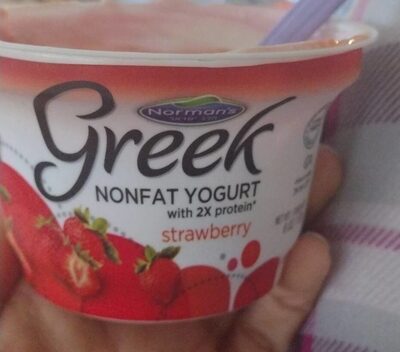
Foods that contain Natural Food Coloring
Compare products →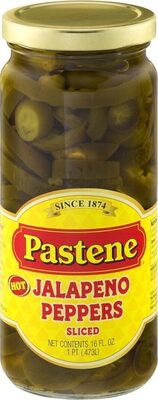
Learn more
Auto-generated content. This description was generated automatically and is pending editorial review. Inaccuracies are possible. Found a mistake? Contact us.