Natural Red Pigment
What is Natural Red Pigment?
Natural Red Pigment is a color additive derived from natural sources, such as plants or insects. It is processed to extract and concentrate the coloring compounds, which are then purified for use in food products. The specific source and processing method can vary, leading to different shades and properties.
Is Natural Red Pigment gluten-free?
It does not contain gluten.
Is Natural Red Pigment a major allergen?
Natural Red Pigment is not derived from any of the nine FDA major allergens.
What is Natural Red Pigment used for?
Manufacturers use Natural Red Pigment to impart red or pink colors to foods.
Is Natural Red Pigment safe?
Natural Red Pigment is generally recognized as safe (GRAS) by the FDA for use as a food colorant.
Why it's used
Manufacturers use Natural Red Pigment to impart red or pink colors to foods. It is often found in confectionery, baked goods, and snacks where a visually appealing color is desired. Examples include yogurt-covered pretzels, trail mixes, and fruit-flavored candies.
Health notes
Natural Red Pigment is generally recognized as safe (GRAS) by the FDA for use as a food colorant. Regulatory bodies like the FDA, EFSA, and JECFA have evaluated many natural colorants, and they are permitted for use within specified limits. While generally considered safe, some individuals may have sensitivities to specific natural colorants. Evidence regarding long-term health effects at typical consumption levels is generally reassuring, but ongoing research continues.
Allergen info
Natural Red Pigment is not derived from any of the nine FDA major allergens. It does not contain gluten.
Foods that contain Natural Red Pigment
Compare products →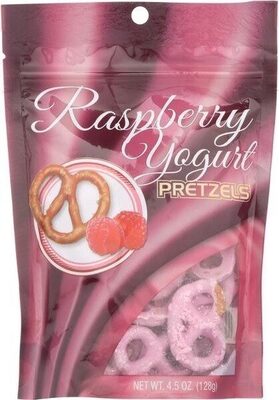

Learn more
Auto-generated content. This description was generated automatically and is pending editorial review. Inaccuracies are possible. Found a mistake? Contact us.