Natural Rye Sour
Auto-generated content. This description was generated automatically and is pending editorial review. Inaccuracies are possible. Found a mistake? Contact us.
What it is
Natural rye sour, also known as rye sourdough starter, is a leavening agent made from a mixture of rye flour and water that has been fermented by wild yeasts and bacteria. This fermentation process creates a tangy flavor and a porous texture in baked goods. It is a traditional method for making rye bread and other baked items.
Why it's used
Manufacturers use natural rye sour primarily as a leavening agent to help bread rise and develop a characteristic tangy flavor and chewy texture. It is commonly found in rye breads, sourdough breads, and other baked goods where a distinct sour taste is desired.
Health notes
Natural rye sour is generally recognized as safe (GRAS) by the FDA for use in food. The fermentation process can break down some gluten in rye flour, potentially making it more digestible for some individuals, though it is not gluten-free. Regulatory bodies like EFSA have evaluated fermented ingredients, but specific evaluations for natural rye sour are not widely published. There are no widespread health controversies associated with its typical consumption.
Allergen info
Natural rye sour is derived from rye, which contains gluten. Therefore, it is not suitable for individuals with celiac disease or gluten sensitivity. Rye is not one of the 9 FDA major allergens.
Products containing Natural Rye Sour
Compare products →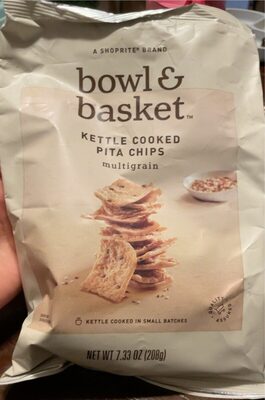 Wakefern Food Corporation
Multigrain Kettle Cooked Pita Chips, Multigrain
536kcal
10.7Protein
25Fat
57.1Carbs
Wakefern Food Corporation
Multigrain Kettle Cooked Pita Chips, Multigrain
536kcal
10.7Protein
25Fat
57.1Carbs