Natural Tea Caffeine
What is Natural Tea Caffeine?
Caffeine is a natural stimulant found in coffee beans, tea leaves, and cocoa beans. It is extracted from tea leaves for use in food and beverages. Caffeine is a bitter-tasting powder that can be processed into various forms.
Is Natural Tea Caffeine vegan?
Natural Tea Caffeine is not animal-derived. Products that contain it can still include other animal-derived ingredients, so check the full ingredient list.
Is Natural Tea Caffeine gluten-free?
It does not contain gluten.
Is Natural Tea Caffeine a major allergen?
Not a major allergen.
What is Natural Tea Caffeine used for?
Caffeine is added to foods and drinks to provide a stimulating effect.
Is Natural Tea Caffeine safe?
Caffeine is generally recognized as safe (GRAS) by the FDA for use in food.
Why it's used
Caffeine is added to foods and drinks to provide a stimulating effect. It is commonly found in soft drinks, energy drinks, and some teas. Manufacturers use it to enhance flavor and create a 'buzz' or energizing sensation.
Health notes
Caffeine is generally recognized as safe (GRAS) by the FDA for use in food. The FDA has set limits on caffeine added to certain products, like caffeinated beverages. The European Food Safety Authority (EFSA) has also evaluated caffeine and found it safe at moderate levels. Some individuals may experience side effects like jitters or sleep disturbances from caffeine consumption.
Allergen info
Not a major allergen. Caffeine itself is not derived from any of the 9 FDA major allergens. It does not contain gluten.
Foods that contain Natural Tea Caffeine
Compare products →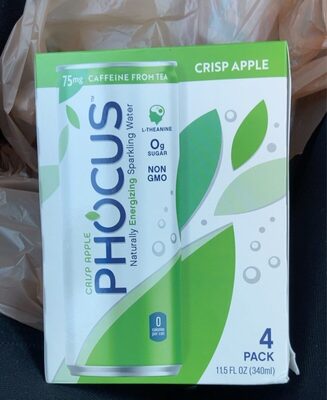
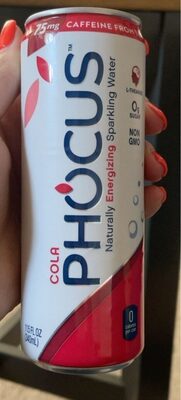
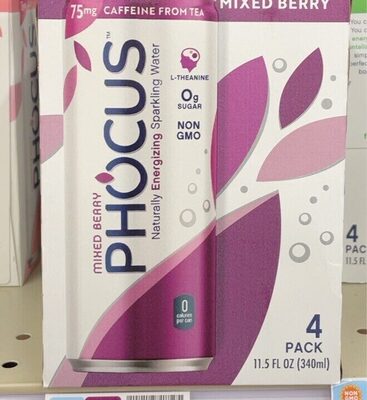
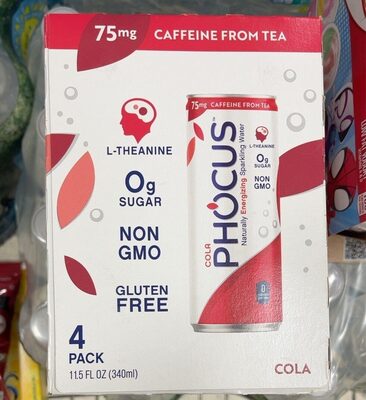
Auto-generated content. This description was generated automatically and is pending editorial review. Inaccuracies are possible. Found a mistake? Contact us.