Natural Tenderizer
What is Natural Tenderizer?
Natural Tenderizer is a blend of enzymes, typically papain and/or bromelain, derived from fruits. Papain comes from the papaya fruit, while bromelain is extracted from pineapple stems and fruit. These enzymes break down proteins, making tougher cuts of meat more tender.
Is Natural Tenderizer vegan?
Natural Tenderizer is not animal-derived. Products that contain it can still include other animal-derived ingredients, so check the full ingredient list.
Is Natural Tenderizer gluten-free?
They do not contain gluten.
Is Natural Tenderizer a major allergen?
Natural tenderizers are not derived from major allergens.
What is Natural Tenderizer used for?
Manufacturers add natural tenderizers to meat products to improve texture and reduce cooking time.
Is Natural Tenderizer safe?
Natural tenderizers like papain and bromelain are generally recognized as safe (GRAS) by the FDA for use in food.
Why it's used
Manufacturers add natural tenderizers to meat products to improve texture and reduce cooking time. They are commonly found in marinades, spice rubs, and seasoning mixes designed for beef, pork, and poultry. Their enzymatic action helps to break down tough connective tissues in meat.
Health notes
Natural tenderizers like papain and bromelain are generally recognized as safe (GRAS) by the FDA for use in food. These enzymes are naturally present in fruits and are broken down during digestion. International bodies like JECFA have evaluated these enzymes and found them to be safe for consumption at typical levels. There are no widespread health controversies associated with their use in food.
Allergen info
Natural tenderizers are not derived from major allergens. They do not contain gluten.
Foods that contain Natural Tenderizer
Compare products →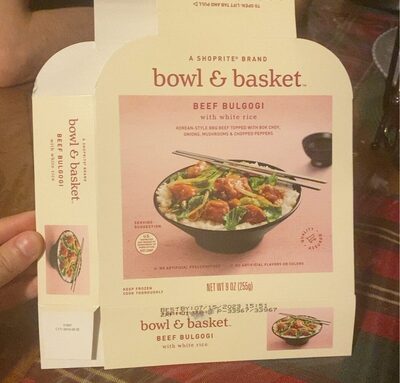 Wakefern Food Corporation
Beef Bulgogi With White Rice Korean-Style BBQ Beef Topped With Bok Choy, Onions, Mushrooms & Chopped Peppers, Beef Bulgogi
High in sodium — 30% DV per serving
106kcal
4.7Protein
3.1Fat
14.5Carbs
Wakefern Food Corporation
Beef Bulgogi With White Rice Korean-Style BBQ Beef Topped With Bok Choy, Onions, Mushrooms & Chopped Peppers, Beef Bulgogi
High in sodium — 30% DV per serving
106kcal
4.7Protein
3.1Fat
14.5Carbs
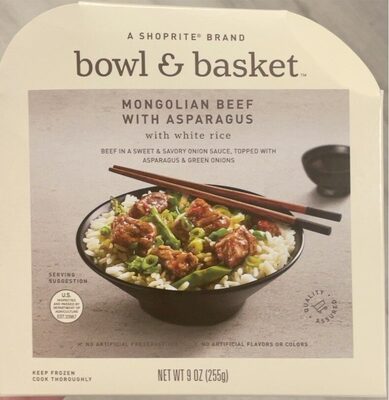 Wakefern Food Corporation
Mongolian Beef With Asparagus With White Rice, Mongolian With Asparagus
High in sodium — 31% DV per serving
High in added sugars — 20% DV per serving
110kcal
3.9Protein
2.8Fat
17.2Carbs
Garden Service & Research A.G.
Pam's Ultimate Steak Seasoning, Pam's Ultimate Steak
0kcal
0Protein
—Fat
0Carbs
Wakefern Food Corporation
Mongolian Beef With Asparagus With White Rice, Mongolian With Asparagus
High in sodium — 31% DV per serving
High in added sugars — 20% DV per serving
110kcal
3.9Protein
2.8Fat
17.2Carbs
Garden Service & Research A.G.
Pam's Ultimate Steak Seasoning, Pam's Ultimate Steak
0kcal
0Protein
—Fat
0Carbs
Auto-generated content. This description was generated automatically and is pending editorial review. Inaccuracies are possible. Found a mistake? Contact us.