Mirin
What is Mirin?
Mirin is a Japanese rice wine that is a common ingredient in Japanese cuisine. It is made from glutinous rice, rice koji (a mold), and sometimes sake or shochu. The mixture is fermented for several weeks, resulting in a sweet, syrupy liquid.
Is Mirin vegan?
Mirin is not animal-derived. Products that contain it can still include other animal-derived ingredients, so check the full ingredient list.
Is Mirin gluten-free?
It is also gluten-free.
Is Mirin a major allergen?
Mirin is derived from rice and does not contain any of the nine FDA major allergens.
What is Mirin used for?
Mirin is used as a sweetener and flavoring agent in many Japanese dishes.
Is Mirin safe?
In the U.S., mirin is generally recognized as safe (GRAS) by the FDA when used as a food ingredient.
Why it's used
Mirin is used as a sweetener and flavoring agent in many Japanese dishes. Its sweetness and umami flavor add depth to sauces, marinades, glazes, and dressings. It is often found in teriyaki sauce, marinades for grilled meats and fish, and in simmered dishes.
Health notes
In the U.S., mirin is generally recognized as safe (GRAS) by the FDA when used as a food ingredient. It is a source of sugar and alcohol, so consumption in moderation is advised. International bodies like JECFA have evaluated similar fermented rice products, but specific evaluations for mirin's health impacts at typical dietary levels are limited.
Allergen info
Mirin is derived from rice and does not contain any of the nine FDA major allergens. It is also gluten-free.
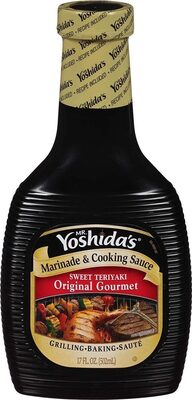
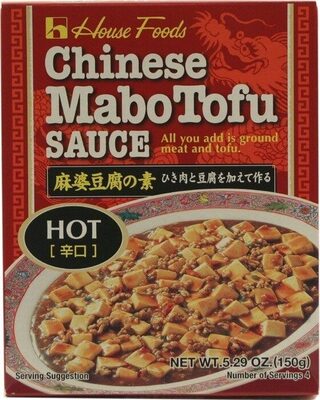
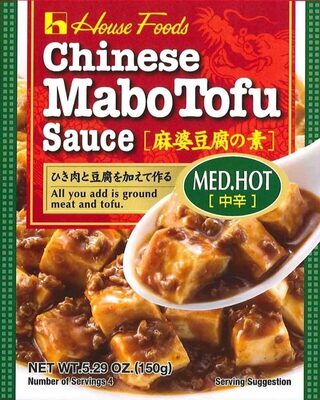
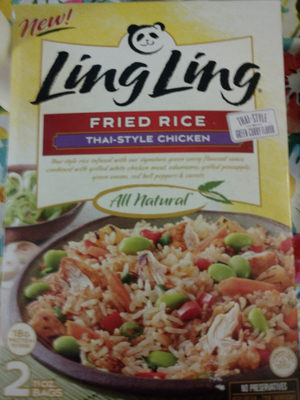
Foods that contain Mirin
Compare products →



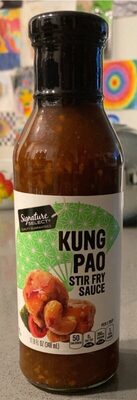
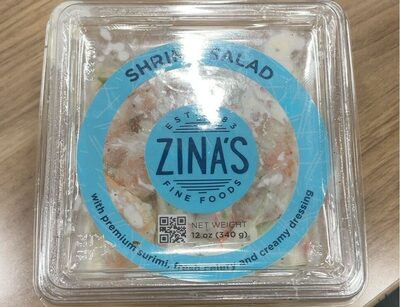


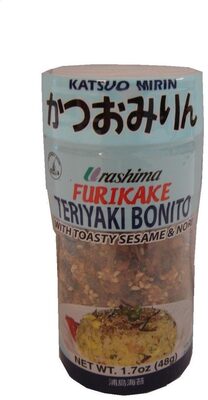
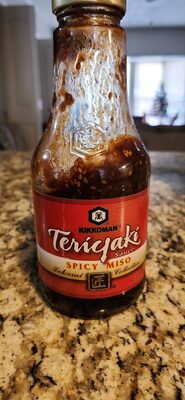
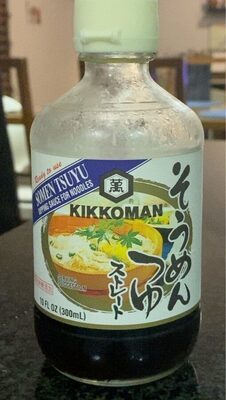
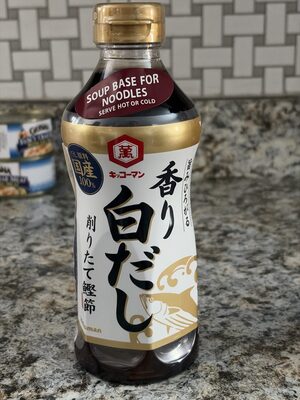
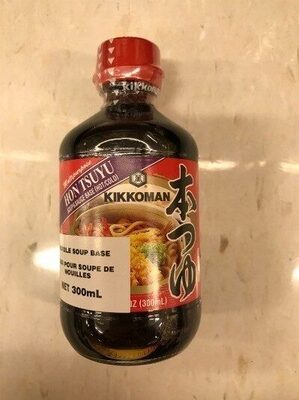

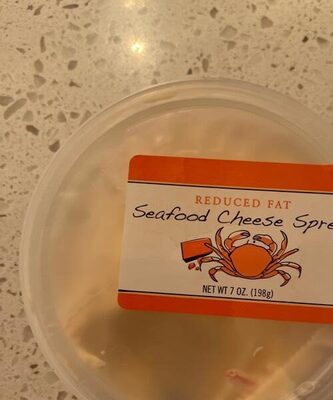

Learn more
Auto-generated content. This description was generated automatically and is pending editorial review. Inaccuracies are possible. Found a mistake? Contact us.