Niacinamide Vitamin B3
What is Niacinamide Vitamin B3?
Niacinamide is a form of vitamin B3, an essential nutrient for the body. It can be found naturally in some foods, and is also synthesized by manufacturers for use in food fortification and supplements. It is a water-soluble vitamin.
Is Niacinamide Vitamin B3 vegan?
Niacinamide Vitamin B3 is not animal-derived. Products that contain it can still include other animal-derived ingredients, so check the full ingredient list.
Is Niacinamide Vitamin B3 gluten-free?
It does not contain gluten.
Is Niacinamide Vitamin B3 a major allergen?
Niacinamide is not derived from any of the nine FDA major allergens.
What is Niacinamide Vitamin B3 used for?
Manufacturers add niacinamide to foods to increase their vitamin B3 content, a process called fortification.
Is Niacinamide Vitamin B3 safe?
Niacinamide is generally recognized as safe (GRAS) by the FDA when used as a nutrient or dietary supplement.
Why it's used
Manufacturers add niacinamide to foods to increase their vitamin B3 content, a process called fortification. It is commonly added to cereals, bread, pasta, and other grain products. It is also found in some beverages and nutritional bars.
Health notes
Niacinamide is generally recognized as safe (GRAS) by the FDA when used as a nutrient or dietary supplement. It plays a role in energy metabolism and DNA repair. The Joint FAO/WHO Expert Committee on Food Additives (JECFA) and the European Food Safety Authority (EFSA) have evaluated niacinamide. Evidence does not suggest adverse effects at levels typically found in fortified foods.
Allergen info
Niacinamide is not derived from any of the nine FDA major allergens. It does not contain gluten.
Foods that contain Niacinamide Vitamin B3
Compare products →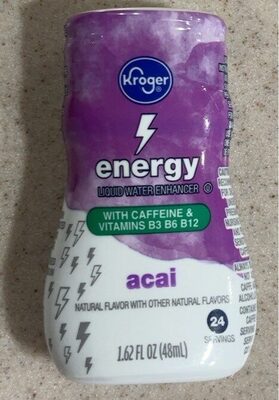 The Kroger Co.
Acai Energy Liquid Water Enhancer, Acai
0kcal
0Protein
0Fat
50Carbs
The Kroger Co.
Acai Energy Liquid Water Enhancer, Acai
0kcal
0Protein
0Fat
50Carbs
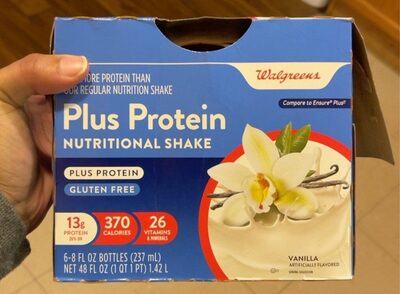 Walgreens Co.
Vanilla Flavored Nutritional Shake, Vanilla
High in added sugars — 42% DV per serving
154kcal
5.4Protein
4.6Fat
20.8Carbs
Walgreens Co.
Vanilla Flavored Nutritional Shake, Vanilla
High in added sugars — 42% DV per serving
154kcal
5.4Protein
4.6Fat
20.8Carbs
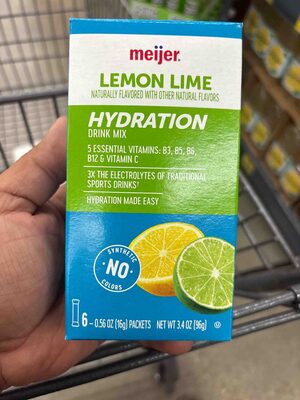 Meijer, Inc.
Lemon Lime Hydration Drink Mix, Lemon Lime
High in sodium — 22% DV per serving
High in added sugars — 22% DV per serving
312kcal
0Protein
0Fat
81.2Carbs
Silkroad Exclusive Inc
Nth Degree, Sport Water, Blueberry, Pomegranate, Blueberry, Pomegranate
0kcal
0Protein
0Fat
0Carbs
The Kroger Co.
Nutty Nuggets Crunchy Wheat & Barley Cereal
345kcal
10.3Protein
1.7Fat
81.0Carbs
Hanover Foods Corporation
Strawberry, White Chocolate, Blueberry Red White & Blue Waffles, Strawberry White Chocolate Blueberry
329kcal
5.7Protein
11.4Fat
50Carbs
American Beverage, LLC
Mixed Berry Flavored America's Energy Drink, Mixed Berry
44kcal
0Protein
0Fat
11.0Carbs
Meijer, Inc.
Lemon Lime Hydration Drink Mix, Lemon Lime
High in sodium — 22% DV per serving
High in added sugars — 22% DV per serving
312kcal
0Protein
0Fat
81.2Carbs
Silkroad Exclusive Inc
Nth Degree, Sport Water, Blueberry, Pomegranate, Blueberry, Pomegranate
0kcal
0Protein
0Fat
0Carbs
The Kroger Co.
Nutty Nuggets Crunchy Wheat & Barley Cereal
345kcal
10.3Protein
1.7Fat
81.0Carbs
Hanover Foods Corporation
Strawberry, White Chocolate, Blueberry Red White & Blue Waffles, Strawberry White Chocolate Blueberry
329kcal
5.7Protein
11.4Fat
50Carbs
American Beverage, LLC
Mixed Berry Flavored America's Energy Drink, Mixed Berry
44kcal
0Protein
0Fat
11.0Carbs
Learn more
Auto-generated content. This description was generated automatically and is pending editorial review. Inaccuracies are possible. Found a mistake? Contact us.