Nitrous Oxide As Propellant
What is Nitrous Oxide As Propellant?
Nitrous oxide is a colorless gas with a slightly sweet odor. It is produced industrially through the thermal decomposition of ammonium nitrate. It is commonly used as a propellant in aerosol cans.
Is Nitrous Oxide As Propellant vegan?
Nitrous Oxide As Propellant is not animal-derived. Products that contain it can still include other animal-derived ingredients, so check the full ingredient list.
Is Nitrous Oxide As Propellant gluten-free?
It does not contain gluten.
Is Nitrous Oxide As Propellant a major allergen?
Nitrous oxide is not derived from any of the 9 FDA major allergens.
What is Nitrous Oxide As Propellant used for?
Nitrous oxide is used as a propellant in whipped cream dispensers.
Is Nitrous Oxide As Propellant safe?
Nitrous oxide is Generally Recognized As Safe (GRAS) by the FDA for use as a propellant in food.
Why it's used
Nitrous oxide is used as a propellant in whipped cream dispensers. It helps to aerate the cream, giving it a light and fluffy texture. It is also used in some baking decorations and dessert toppings.
Health notes
Nitrous oxide is Generally Recognized As Safe (GRAS) by the FDA for use as a propellant in food. When used as intended in food products, it is not expected to pose health risks. The Joint FAO/WHO Expert Committee on Food Additives (JECFA) has evaluated nitrous oxide, but did not set a numerical acceptable daily intake (ADI).
Allergen info
Nitrous oxide is not derived from any of the 9 FDA major allergens. It does not contain gluten.
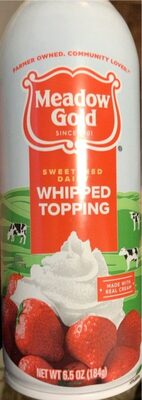
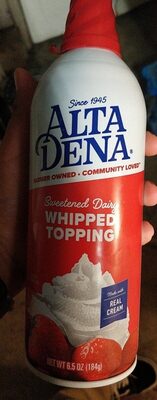
Foods that contain Nitrous Oxide As Propellant
Compare products →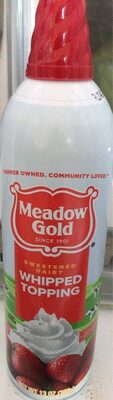
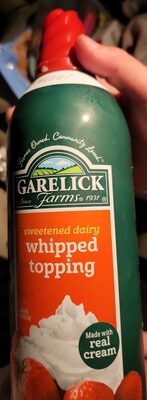 Garelick Farms
Original Sweetened Dairy Whipped Topping, Original
250kcal
0Protein
16.7Fat
33.3Carbs
Auto-generated content. This description was generated automatically and is pending editorial review. Inaccuracies are possible. Found a mistake? Contact us.