Non-gmo Modified Starch
What is Non-gmo Modified Starch?
Modified starch is a starch that has been chemically or physically altered to improve its performance in food products. It is typically derived from corn, tapioca, or potatoes. The modification process can change the starch's texture, stability, and ability to withstand heat or freezing.
Is Non-gmo Modified Starch gluten-free?
However, if derived from wheat, it may contain gluten, though the gluten is typically removed during processing.
Is Non-gmo Modified Starch a major allergen?
Modified starch is not a major allergen.
What is Non-gmo Modified Starch used for?
Manufacturers use modified starch as a thickener, stabilizer, or emulsifier in a variety of foods.
Is Non-gmo Modified Starch safe?
Modified starches are generally recognized as safe (GRAS) by the FDA for use in food.
Why it's used
Manufacturers use modified starch as a thickener, stabilizer, or emulsifier in a variety of foods. It helps improve texture and mouthfeel in products like sauces, gravies, yogurts, and baked goods. It is also used to prevent ingredients from separating in processed foods.
Health notes
Modified starches are generally recognized as safe (GRAS) by the FDA for use in food. They are a source of carbohydrates and are digested like regular starch. International bodies like JECFA have evaluated modified starches and established acceptable uses. There are no widespread health controversies associated with typical consumption.
Allergen info
Modified starch is not a major allergen. However, if derived from wheat, it may contain gluten, though the gluten is typically removed during processing.
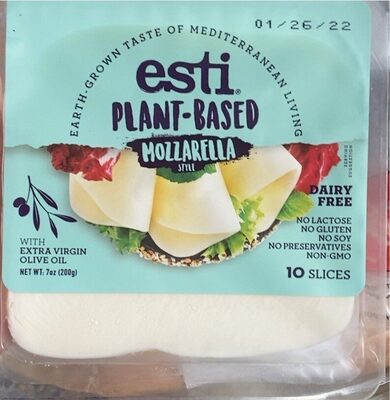
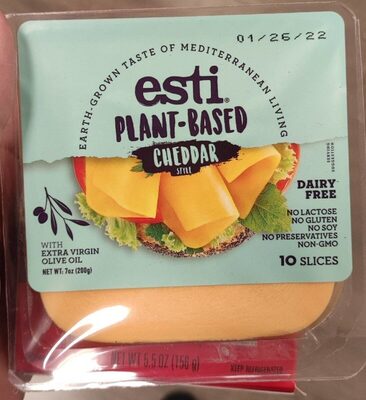
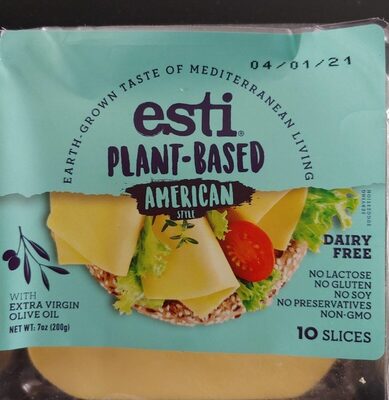
Foods that contain Non-gmo Modified Starch
Compare products →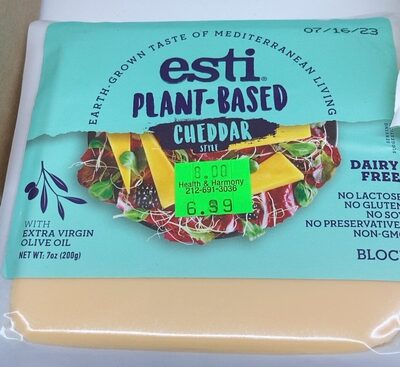
Learn more
Auto-generated content. This description was generated automatically and is pending editorial review. Inaccuracies are possible. Found a mistake? Contact us.