Non-gmo Shortening
What is Non-gmo Shortening?
Shortening is a solid fat at room temperature, typically made from vegetable oils. "Non-GMO shortening" means the vegetable oils used to produce it were not genetically modified. It is processed to have a specific texture and melting point.
Is Non-gmo Shortening vegan?
Non-gmo Shortening is not animal-derived. Products that contain it can still include other animal-derived ingredients, so check the full ingredient list.
Is Non-gmo Shortening a major allergen?
Shortening is often made from vegetable oils such as soybean, palm, or canola oil.
What is Non-gmo Shortening used for?
Manufacturers add shortening to baked goods like pies, pastries, and cookies to create a tender, flaky texture and to help with leavening.
Is Non-gmo Shortening safe?
Shortening is a fat that provides calories.
Why it's used
Manufacturers add shortening to baked goods like pies, pastries, and cookies to create a tender, flaky texture and to help with leavening. It is also used in some fried foods to provide crispness.
Health notes
Shortening is a fat that provides calories. Historically, many shortenings contained partially hydrogenated oils (PHOs), which were a major source of artificial trans fats. The FDA determined that PHOs are no longer generally recognized as safe (GRAS) as of 2018, effectively removing most artificial trans fats from the food supply. Modern non-GMO shortenings are typically made using fully hydrogenated or interesterified oils to achieve desired texture without creating trans fats. As with all fats, moderation is key for a balanced diet.
Allergen info
Shortening is often made from vegetable oils such as soybean, palm, or canola oil. If made from soy oil, it would contain a major allergen. Consumers should check product labels for specific oil sources.
Foods that contain Non-gmo Shortening
Compare products →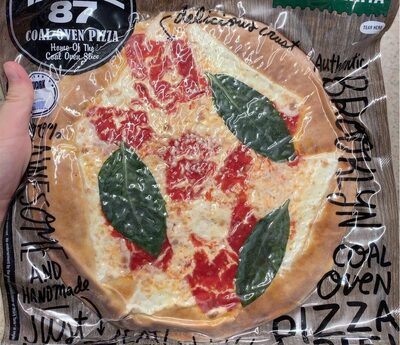 Mozian & Associates, Inc.
Margherita Coal Oven Pizza
High in sodium — 23% DV per serving
High in saturated fat — 40% DV per serving
272kcal
13.2Protein
10.3Fat
31.6Carbs
Mozian & Associates, Inc.
Margherita Coal Oven Pizza
High in sodium — 23% DV per serving
High in saturated fat — 40% DV per serving
272kcal
13.2Protein
10.3Fat
31.6Carbs
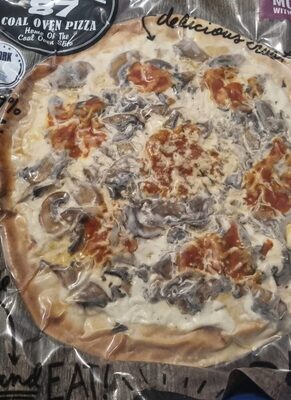 Mozian & Associates, Inc.
Mushroom With White Truffle Oil Coal Oven Pizza
High in sodium — 24% DV per serving
High in saturated fat — 40% DV per serving
234kcal
11.1Protein
9.9Fat
25.7Carbs
Mozian & Associates, Inc.
Mushroom With White Truffle Oil Coal Oven Pizza
High in sodium — 24% DV per serving
High in saturated fat — 40% DV per serving
234kcal
11.1Protein
9.9Fat
25.7Carbs
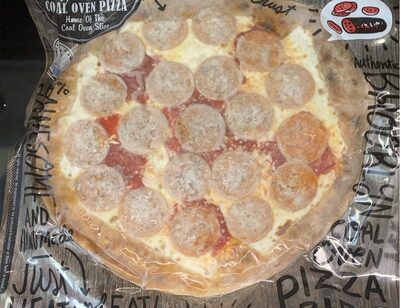 Mozian & Associates, Inc.
Pepperoni Coal Oven Pizza
High in sodium — 37% DV per serving
High in saturated fat — 50% DV per serving
289kcal
13.8Protein
13.8Fat
28.3Carbs
Mozian & Associates, Inc.
Pepperoni Coal Oven Pizza
High in sodium — 37% DV per serving
High in saturated fat — 50% DV per serving
289kcal
13.8Protein
13.8Fat
28.3Carbs
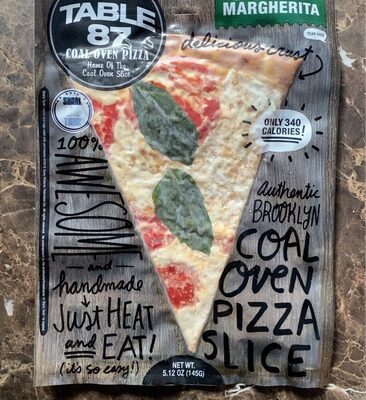 Mozian & Associates, Inc.
Margherita Coal Oven Pizza
High in sodium — 23% DV per serving
High in saturated fat — 35% DV per serving
234kcal
11.7Protein
9.0Fat
28.3Carbs
Mozian & Associates, Inc.
Margherita Coal Oven Pizza
High in sodium — 23% DV per serving
High in saturated fat — 35% DV per serving
234kcal
11.7Protein
9.0Fat
28.3Carbs
Learn more
Auto-generated content. This description was generated automatically and is pending editorial review. Inaccuracies are possible. Found a mistake? Contact us.