Non-gmo Soy Lecithin - An Emulsifier
Auto-generated content. This description was generated automatically and is pending editorial review. Inaccuracies are possible. Found a mistake? Contact us.
What it is
Soy lecithin is a phospholipid mixture derived from soybeans. It is typically produced by extracting soybean oil and then degumming the oil to isolate the lecithin. It is often further processed to create different forms, like liquid or powder, for various food applications.
Why it's used
Soy lecithin is commonly used as an emulsifier, helping to blend ingredients that don't normally mix, such as oil and water. It also acts as a stabilizer, thickener, and sometimes a release agent. You can find it in a wide range of foods, including baked goods, chocolate, margarine, and processed meats.
Health notes
In the US, soy lecithin is generally recognized as safe (GRAS) by the FDA. It is a common food additive used in small amounts. International bodies like JECFA and EFSA have evaluated soy lecithin. Research has not shown significant adverse health effects from typical dietary intake. Some people may have concerns about soy-derived ingredients, but soy lecithin is not considered a major health risk for most consumers.
Allergen info
Soy lecithin is derived from soy, which is one of the 9 FDA major allergens. While highly processed, individuals with severe soy allergies should exercise caution.
Products containing Non-gmo Soy Lecithin - An Emulsifier
Compare products →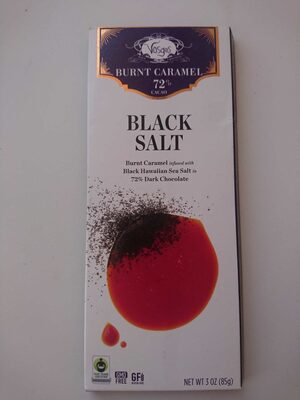 Vosges, Ltd.
Vosges, Black Salt Caramel Bar
High in saturated fat — 40% DV per serving
488kcal
4.7Protein
32.6Fat
53.5Carbs
Barkeater Chocolates
Barkeater Chocolates, Basic Black Bar
High in saturated fat — 70% DV per serving
493kcal
5.6Protein
35.2Fat
56.3Carbs
Vosges, Ltd.
Vosges, Black Salt Caramel Bar
High in saturated fat — 40% DV per serving
488kcal
4.7Protein
32.6Fat
53.5Carbs
Barkeater Chocolates
Barkeater Chocolates, Basic Black Bar
High in saturated fat — 70% DV per serving
493kcal
5.6Protein
35.2Fat
56.3Carbs