Non-gmo Soy Lecithin/emulsifier
Auto-generated content. This description was generated automatically and is pending editorial review. Inaccuracies are possible. Found a mistake? Contact us.
What it is
Soy lecithin is a fatty substance derived from soybeans. It is produced by extracting oil from soybeans and then separating the lecithin from the oil. It is often used as an emulsifier, meaning it helps to blend ingredients that normally don't mix well, like oil and water.
Why it's used
Manufacturers use soy lecithin to improve the texture and shelf life of foods. It helps prevent ingredients from separating, creating a smoother consistency in products like chocolate, baked goods, and dressings. It is commonly found in cookies, chocolate bars, and cake mixes.
Health notes
Soy lecithin is generally recognized as safe (GRAS) by the FDA for use in food. It is a common food additive and is not typically associated with adverse health effects when consumed in typical amounts. International bodies like JECFA and EFSA have evaluated soy lecithin and have not set specific numerical limits for its intake. While soy is a common allergen, highly purified lecithin contains very little protein, and allergic reactions are rare.
Allergen info
Soy lecithin is derived from soy, which is one of the nine FDA major allergens. However, the processing of soy into lecithin removes most of the allergenic proteins, so it is often tolerated by individuals with soy allergies.
Products containing Non-gmo Soy Lecithin/emulsifier
Compare products →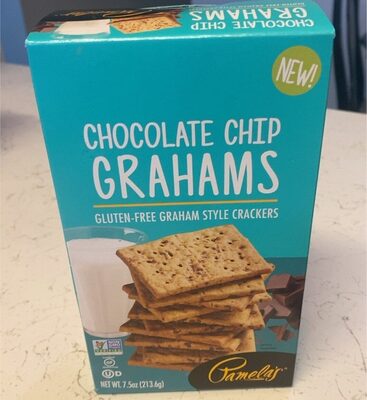 Pamela's Products Inc.
Chocolate Chip Gluten Free Graham Style Crackers, Chocolate Chip
High in saturated fat — 22% DV per serving
High in added sugars — 22% DV per serving
528kcal
5.6Protein
25Fat
72.2Carbs
Pamela's Products Inc.
Chocolate Chip The Nutty Cookie With Coconut & Nuts Soft Mini Cookies, Coconut & Nuts, Chocolate Chip
High in saturated fat — 35% DV per serving
533kcal
3.3Protein
40Fat
40Carbs
Pamela's Products Inc.
Mini Cookies, Chocolate Chip
520kcal
4Protein
24Fat
72Carbs
Pamela's Products Inc.
Chocolate Chunkcookie Mix
476kcal
4.8Protein
—Fat
76.2Carbs
Pamela's Products Inc.
Chocolate Brownie Mix
393kcal
3.6Protein
—Fat
85.7Carbs
Pamela's Products Inc.
Chocolate Chip Gluten Free Graham Style Crackers, Chocolate Chip
High in saturated fat — 22% DV per serving
High in added sugars — 22% DV per serving
528kcal
5.6Protein
25Fat
72.2Carbs
Pamela's Products Inc.
Chocolate Chip The Nutty Cookie With Coconut & Nuts Soft Mini Cookies, Coconut & Nuts, Chocolate Chip
High in saturated fat — 35% DV per serving
533kcal
3.3Protein
40Fat
40Carbs
Pamela's Products Inc.
Mini Cookies, Chocolate Chip
520kcal
4Protein
24Fat
72Carbs
Pamela's Products Inc.
Chocolate Chunkcookie Mix
476kcal
4.8Protein
—Fat
76.2Carbs
Pamela's Products Inc.
Chocolate Brownie Mix
393kcal
3.6Protein
—Fat
85.7Carbs