Non-stick Agent
Auto-generated content. This description was generated automatically and is pending editorial review. Inaccuracies are possible. Found a mistake? Contact us.
What it is
Non-stick agents, often in the form of sprays, are typically made from a blend of oils and propellants. These ingredients are designed to create a barrier between food and cooking surfaces, preventing sticking. They are commonly derived from plant-based oils like soy or canola.
Why it's used
Manufacturers add non-stick agents to cooking sprays and oils to make it easier to release food from pans and other cooking surfaces. This prevents food from burning or sticking, ensuring a cleaner cooking experience. They are most frequently found in vegetable oils, cooking sprays, and other edible oils.
Health notes
Non-stick agents used in food are generally recognized as safe (GRAS) by the FDA when used as intended. The primary components are food-grade oils and propellants that are consumed in small amounts. International bodies like JECFA have evaluated similar substances for safety. Evidence does not suggest adverse health effects from typical consumer use.
Allergen info
Depending on the specific oil used, some non-stick agents may be derived from soy, which is a major allergen. Consumers should check the ingredient list for specific oil sources if allergies are a concern. Gluten is not typically associated with these ingredients.
Products containing Non-stick Agent
Compare products →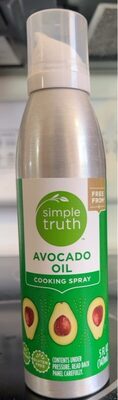 The Kroger Co.
Avocado Oil Cooking Spray, Avocado Oil
0kcal
0Protein
0Fat
0Carbs
Food Town Stores Inc.
Coconut Oil Cooking Spray
0kcal
0Protein
0Fat
0Carbs
The Kroger Co.
Avocado Oil Cooking Spray, Avocado Oil
0kcal
0Protein
0Fat
0Carbs
Food Town Stores Inc.
Coconut Oil Cooking Spray
0kcal
0Protein
0Fat
0Carbs
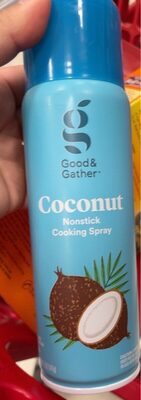 Target Stores
Coconut Oil Nonstick Cooking Spray, Coconut Oil
0kcal
0Protein
0Fat
0Carbs
Hy-Vee, Inc.
Coconut Oil
0kcal
0Protein
0Fat
0Carbs
Target Stores
Coconut Oil Nonstick Cooking Spray, Coconut Oil
0kcal
0Protein
0Fat
0Carbs
Hy-Vee, Inc.
Coconut Oil
0kcal
0Protein
0Fat
0Carbs
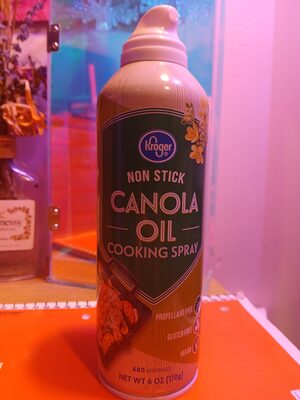 The Kroger Co.
Non Stick Canola Oil Cooking Spray, Canola Oil
0kcal
0Protein
0Fat
0Carbs
Ahold USA, Inc.
Coconut Oil Non-Stick Cooking Spray
0kcal
0Protein
0Fat
0Carbs
The Kroger Co.
Non Stick Canola Oil Cooking Spray
0kcal
0Protein
0Fat
0Carbs
Smart & Final Iris Corporation
Coconut Oil Cooking Spray
0kcal
0Protein
0Fat
0Carbs
Conagra Brands, Inc.
Coconut Oil No-Stick Cooking Spray, Coconut Oil
0kcal
0Protein
0Fat
0Carbs
Smart & Final Iris Corporation
Coconut Oil Cooking Spray, Coconut Oil
0kcal
0Protein
0Fat
0Carbs
Conagra Brands, Inc.
Coconut Oil No-Stick Cooking Spray, Coconut Oil
0kcal
0Protein
0Fat
0Carbs
Meijer, Inc.
Coconut Oil Non-Stick Cooking Spray, Coconut Oil
0kcal
0Protein
0Fat
0Carbs
The Kroger Co.
Non Stick Canola Oil Cooking Spray, Canola Oil
0kcal
0Protein
0Fat
0Carbs
Ahold USA, Inc.
Coconut Oil Non-Stick Cooking Spray
0kcal
0Protein
0Fat
0Carbs
The Kroger Co.
Non Stick Canola Oil Cooking Spray
0kcal
0Protein
0Fat
0Carbs
Smart & Final Iris Corporation
Coconut Oil Cooking Spray
0kcal
0Protein
0Fat
0Carbs
Conagra Brands, Inc.
Coconut Oil No-Stick Cooking Spray, Coconut Oil
0kcal
0Protein
0Fat
0Carbs
Smart & Final Iris Corporation
Coconut Oil Cooking Spray, Coconut Oil
0kcal
0Protein
0Fat
0Carbs
Conagra Brands, Inc.
Coconut Oil No-Stick Cooking Spray, Coconut Oil
0kcal
0Protein
0Fat
0Carbs
Meijer, Inc.
Coconut Oil Non-Stick Cooking Spray, Coconut Oil
0kcal
0Protein
0Fat
0Carbs