Nonfat Milk Whey
Auto-generated content. This description was generated automatically and is pending editorial review. Inaccuracies are possible. Found a mistake? Contact us.
What it is
Whey is the liquid remaining after milk has been curdled and strained, typically during the production of cheese. Nonfat milk whey is derived from skim milk, meaning most of the fat has been removed. It contains lactose, proteins, and water-soluble vitamins and minerals.
Why it's used
Manufacturers add nonfat milk whey as a source of protein and to improve texture and flavor. It can also act as a binder and emulsifier. It is commonly found in dairy products like ice cream and cottage cheese, as well as baked goods such as pancakes and waffles.
Health notes
Nonfat milk whey is generally recognized as safe (GRAS) by the FDA when used as a food ingredient. It is a source of protein and other nutrients. Regulatory bodies like JECFA and EFSA have evaluated whey and its components. Evidence does not suggest adverse health effects from typical consumption.
Allergen info
Nonfat milk whey is derived from milk, which is one of the 9 FDA major allergens. It does not contain gluten.
Products containing Nonfat Milk Whey
Compare products →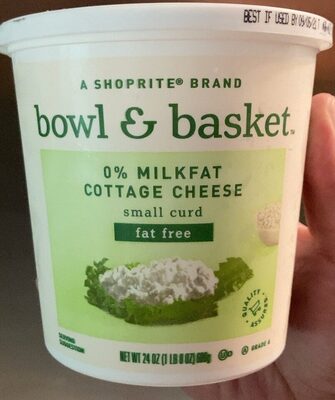 Wakefern Food Corporation
0% Fat Free Small Curd Milkfat Cottage Cheese
71kcal
10.6Protein
0Fat
5.3Carbs
Wakefern Food Corporation
0% Fat Free Small Curd Milkfat Cottage Cheese
71kcal
10.6Protein
0Fat
5.3Carbs
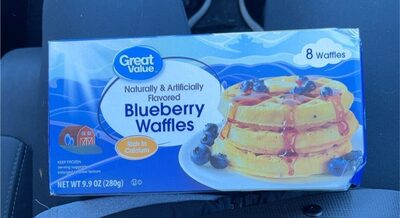 Wal-Mart Stores, Inc.
Blueberry Flavored Waffles, Blueberry
229kcal
4.3Protein
7.1Fat
35.7Carbs
Dutch Valley Food Distributors, Inc.
Yogurt Coated Raisins, Yogurt
High in saturated fat — 40% DV per serving
High in added sugars — 24% DV per serving
500kcal
3.3Protein
26.7Fat
—Carbs
Thelma's LLC
Caramel Latte Sandwich, Caramel Latte
High in saturated fat — 55% DV per serving
High in added sugars — 80% DV per serving
High in cholesterol — 22% DV per serving
324kcal
4.2Protein
14.1Fat
46.5Carbs
Wal-Mart Stores, Inc.
Blueberry Flavored Waffles, Blueberry
229kcal
4.3Protein
7.1Fat
35.7Carbs
Dutch Valley Food Distributors, Inc.
Yogurt Coated Raisins, Yogurt
High in saturated fat — 40% DV per serving
High in added sugars — 24% DV per serving
500kcal
3.3Protein
26.7Fat
—Carbs
Thelma's LLC
Caramel Latte Sandwich, Caramel Latte
High in saturated fat — 55% DV per serving
High in added sugars — 80% DV per serving
High in cholesterol — 22% DV per serving
324kcal
4.2Protein
14.1Fat
46.5Carbs