Nonorganic Avocado Oil
What is Nonorganic Avocado Oil?
Avocado oil is a cooking oil made from the pulp of avocados. The oil is extracted from the fruit, often using mechanical pressing or solvent extraction. It is known for its mild flavor and high smoke point.
Is Nonorganic Avocado Oil vegan?
Nonorganic Avocado Oil is not animal-derived. Products that contain it can still include other animal-derived ingredients, so check the full ingredient list.
Is Nonorganic Avocado Oil gluten-free?
It does not contain gluten.
Is Nonorganic Avocado Oil a major allergen?
Avocado oil is not derived from any of the nine FDA major allergens.
What is Nonorganic Avocado Oil used for?
Avocado oil is used as a cooking oil for frying, roasting, and sautéing due to its high smoke point.
Is Nonorganic Avocado Oil safe?
Avocado oil is generally recognized as safe (GRAS) by the FDA for use in food.
Why it's used
Avocado oil is used as a cooking oil for frying, roasting, and sautéing due to its high smoke point. It can also be used in salad dressings and marinades. Manufacturers may use it as a fat or oil source in various food products.
Health notes
Avocado oil is generally recognized as safe (GRAS) by the FDA for use in food. It is a source of monounsaturated fats, which are considered heart-healthy. JECFA and EFSA have evaluated fats and oils, but specific evaluations for avocado oil are not widely publicized. No significant health concerns are associated with its typical consumption.
Allergen info
Avocado oil is not derived from any of the nine FDA major allergens. It does not contain gluten.
Foods that contain Nonorganic Avocado Oil
Compare products →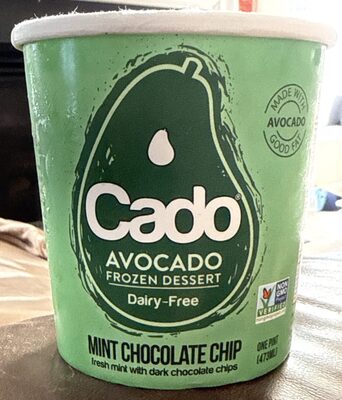 Engaging Ventures
Mint Chocolate Chip Avocado Frozen Dessert, Mint Chocolate Chip
227kcal
1.3Protein
16Fat
24Carbs
Engaging Ventures
Deep Dark Chocolate Avocado Frozen Dessert, Deep Dark Chocolate
227kcal
1.3Protein
16Fat
24Carbs
Engaging Ventures
Simply Lemon Avocado Frozen Dessert, Simply Lemon
227kcal
1.3Protein
16Fat
24Carbs
Engaging Ventures
Mint Chocolate Chip Avocado Frozen Dessert, Mint Chocolate Chip
227kcal
1.3Protein
16Fat
24Carbs
Engaging Ventures
Deep Dark Chocolate Avocado Frozen Dessert, Deep Dark Chocolate
227kcal
1.3Protein
16Fat
24Carbs
Engaging Ventures
Simply Lemon Avocado Frozen Dessert, Simply Lemon
227kcal
1.3Protein
16Fat
24Carbs
Learn more
Auto-generated content. This description was generated automatically and is pending editorial review. Inaccuracies are possible. Found a mistake? Contact us.