Not More Than 2% Safflower Sunflower Oil
What is Not More Than 2% Safflower Sunflower Oil?
Safflower sunflower oil is a blend of oils from safflower and sunflower seeds. These seeds are pressed to extract their oil, which is then refined for use in food.
Is Not More Than 2% Safflower Sunflower Oil vegan?
Not More Than 2% Safflower Sunflower Oil is not animal-derived. Products that contain it can still include other animal-derived ingredients, so check the full ingredient list.
Is Not More Than 2% Safflower Sunflower Oil a major allergen?
Not a major allergen.
What is Not More Than 2% Safflower Sunflower Oil used for?
This oil blend is used as a cooking oil and as an ingredient in processed foods.
Is Not More Than 2% Safflower Sunflower Oil safe?
Safflower sunflower oil is recognized as safe by the FDA.
Why it's used
This oil blend is used as a cooking oil and as an ingredient in processed foods. It adds moisture and a smooth texture to products like popcorn, snacks, and baked goods.
Health notes
Safflower sunflower oil is recognized as safe by the FDA. It is a source of polyunsaturated and monounsaturated fats, which are considered healthier fats when consumed in moderation as part of a balanced diet. Regulatory bodies like JECFA and EFSA have evaluated similar oils. Evidence does not suggest adverse health effects from typical dietary intake.
Allergen info
Not a major allergen. It is derived from seeds, not from the nine major allergens.
Foods that contain Not More Than 2% Safflower Sunflower Oil
Compare products →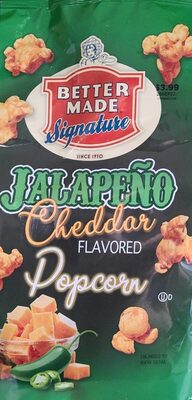
Learn more
Auto-generated content. This description was generated automatically and is pending editorial review. Inaccuracies are possible. Found a mistake? Contact us.