Not More Than 2% Silicon Dioxide
What is Not More Than 2% Silicon Dioxide?
Silicon dioxide is a naturally occurring compound made of silicon and oxygen. It is also known as silica. It is commonly found in sand and quartz, and is manufactured for food use by combining silica with oxygen.
Is Not More Than 2% Silicon Dioxide vegan?
Not More Than 2% Silicon Dioxide is not animal-derived. Products that contain it can still include other animal-derived ingredients, so check the full ingredient list.
Is Not More Than 2% Silicon Dioxide a major allergen?
Not a major allergen.
What is Not More Than 2% Silicon Dioxide used for?
Silicon dioxide is used as an anti-caking agent, meaning it helps prevent powdered foods from clumping together.
Is Not More Than 2% Silicon Dioxide safe?
In the U.S., silicon dioxide is generally recognized as safe (GRAS) by the FDA when used as an anti-caking agent.
Why it's used
Silicon dioxide is used as an anti-caking agent, meaning it helps prevent powdered foods from clumping together. This keeps products like spices, powdered mixes, and grated cheeses free-flowing. It is also used as a thickener and stabilizer.
Health notes
In the U.S., silicon dioxide is generally recognized as safe (GRAS) by the FDA when used as an anti-caking agent. International bodies like JECFA have also evaluated it. It is not known to cause adverse health effects at the low levels typically found in food. Evidence does not suggest health concerns at these levels.
Allergen info
Not a major allergen.
Foods that contain Not More Than 2% Silicon Dioxide
Compare products →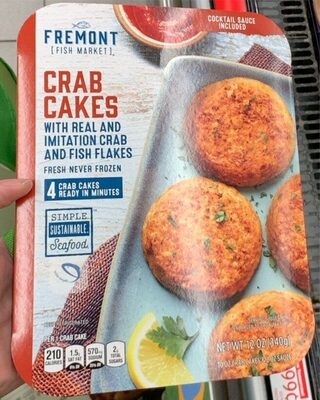
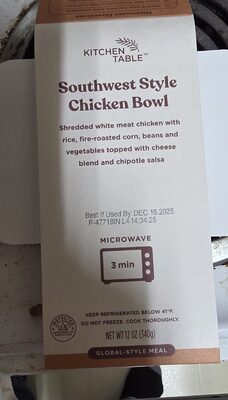
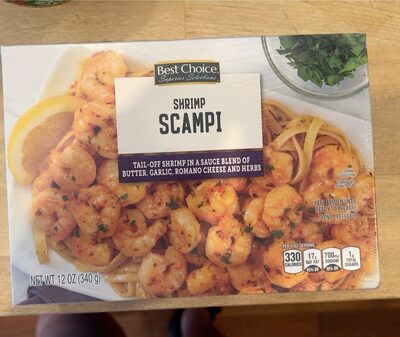
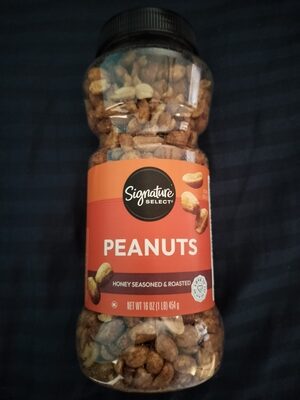
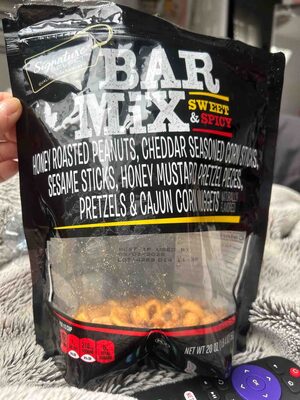

Auto-generated content. This description was generated automatically and is pending editorial review. Inaccuracies are possible. Found a mistake? Contact us.