Old Fashioned Rolled Oats
What is Old Fashioned Rolled Oats?
Old fashioned rolled oats are whole oat groats that have been steamed and then rolled flat. This process makes them cook more quickly than steel-cut oats. They are a whole grain, meaning they contain all parts of the grain kernel: the bran, germ, and endosperm.
Is Old Fashioned Rolled Oats vegan?
Old Fashioned Rolled Oats is not animal-derived. Products that contain it can still include other animal-derived ingredients, so check the full ingredient list.
Is Old Fashioned Rolled Oats gluten-free?
However, oats can be contaminated with gluten during processing if they are not certified gluten-free.
Is Old Fashioned Rolled Oats a major allergen?
Oats are not one of the 9 major allergens.
What is Old Fashioned Rolled Oats used for?
Rolled oats are most commonly used as a base for hot cereals like oatmeal.
Is Old Fashioned Rolled Oats safe?
Oats are considered a whole grain and are a good source of dietary fiber, particularly beta-glucan.
Why it's used
Rolled oats are most commonly used as a base for hot cereals like oatmeal. They also add texture and whole-grain nutrition to baked goods such as cookies, muffins, and granola bars. Manufacturers use them for their hearty texture and mild, nutty flavor.
Health notes
Oats are considered a whole grain and are a good source of dietary fiber, particularly beta-glucan. The FDA recognizes oats and beta-glucan as potentially beneficial for heart health. JECFA has evaluated oats and found them to be safe. They are not subject to specific FDA regulations as an additive.
Allergen info
Oats are not one of the 9 major allergens. However, oats can be contaminated with gluten during processing if they are not certified gluten-free. People with celiac disease or gluten sensitivity should choose certified gluten-free oats.
Foods that contain Old Fashioned Rolled Oats
Compare products →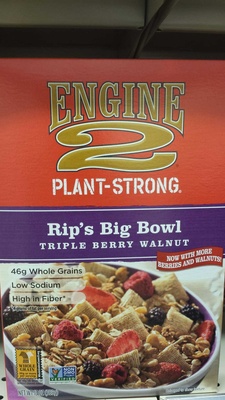 Whole Foods Market, Inc.
Engine 2, Plant-Strong, Rip's Big Bowl Triple Berry Walnut
382kcal
12.7Protein
7.3Fat
69.1Carbs
Whole Foods Market, Inc.
Engine 2, Plant-Strong, Rip's Big Bowl Banana Walnut
382kcal
12.7Protein
7.3Fat
70.9Carbs
Whole Foods Market, Inc.
Engine 2, Plant-Strong, Rip's Big Bowl, Original
382kcal
12.7Protein
7.3Fat
70.9Carbs
Whole Foods Market, Inc.
Engine 2, Plant-Strong, Rip's Big Bowl Triple Berry Walnut
382kcal
12.7Protein
7.3Fat
69.1Carbs
Whole Foods Market, Inc.
Engine 2, Plant-Strong, Rip's Big Bowl Banana Walnut
382kcal
12.7Protein
7.3Fat
70.9Carbs
Whole Foods Market, Inc.
Engine 2, Plant-Strong, Rip's Big Bowl, Original
382kcal
12.7Protein
7.3Fat
70.9Carbs
Learn more
Auto-generated content. This description was generated automatically and is pending editorial review. Inaccuracies are possible. Found a mistake? Contact us.