Oligofructose
What is Oligofructose?
Oligofructose is a type of soluble fiber made from plants, most commonly chicory root. It is produced by breaking down inulin, another plant fiber, using enzymes. This process creates short chains of fructose sugar molecules that are not fully digested by the body.
Is Oligofructose vegan?
Oligofructose is not animal-derived. Products that contain it can still include other animal-derived ingredients, so check the full ingredient list.
Is Oligofructose gluten-free?
It does not contain gluten.
Is Oligofructose a major allergen?
Oligofructose is not derived from any of the 9 FDA major allergens.
What is Oligofructose used for?
Manufacturers use oligofructose as a low-calorie sweetener and to add dietary fiber to foods.
Is Oligofructose safe?
Oligofructose is generally recognized as safe (GRAS) by the FDA for use in foods.
Why it's used
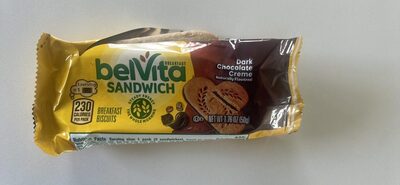
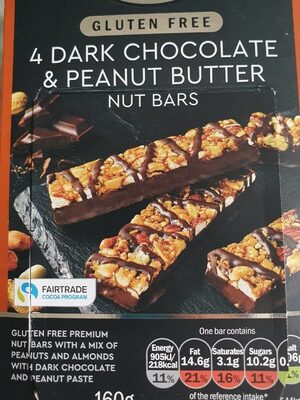
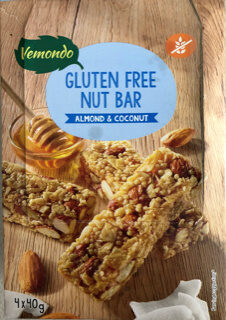
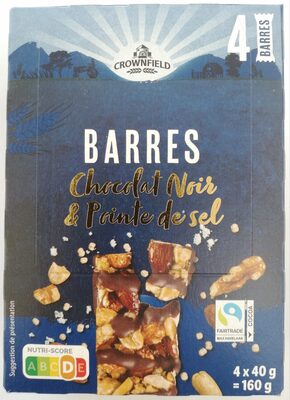
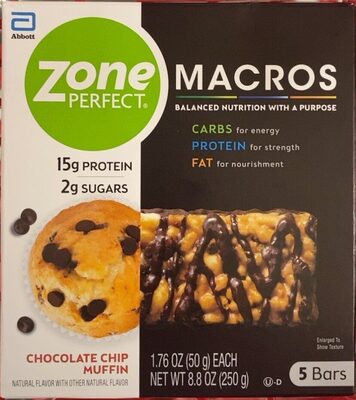
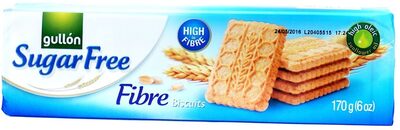
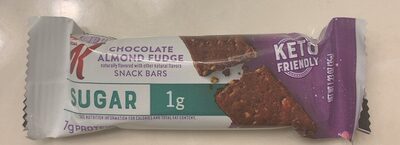
Manufacturers use oligofructose as a low-calorie sweetener and to add dietary fiber to foods. It can also improve texture and moisture. You can find it in snack bars, cereals, baked goods, and dairy products.
Health notes
Oligofructose is generally recognized as safe (GRAS) by the FDA for use in foods. It is a source of prebiotic fiber, which may support gut health by feeding beneficial bacteria. JECFA and EFSA have evaluated oligofructose and found it safe for consumption. Some people may experience gas or bloating if they consume large amounts, as it is a fermentable fiber.
Allergen info
Oligofructose is not derived from any of the 9 FDA major allergens. It does not contain gluten.
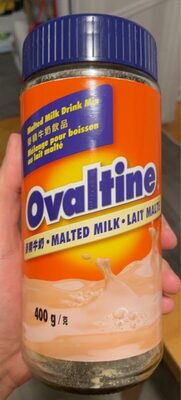
Foods that contain Oligofructose
Compare products →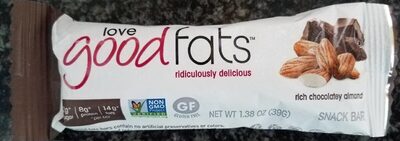
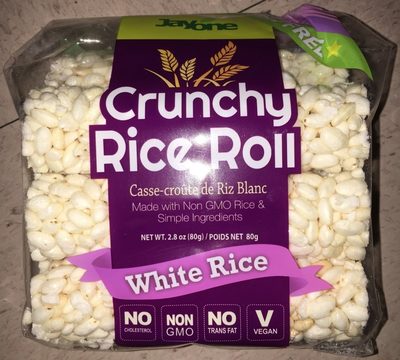
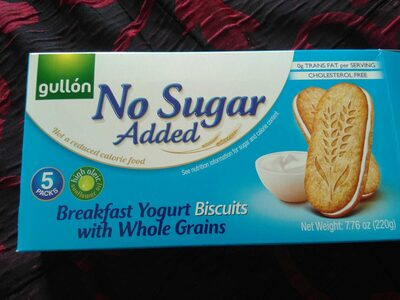
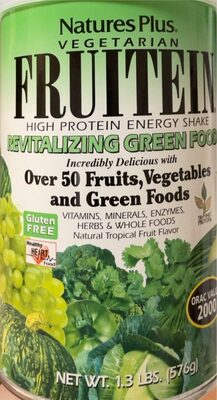
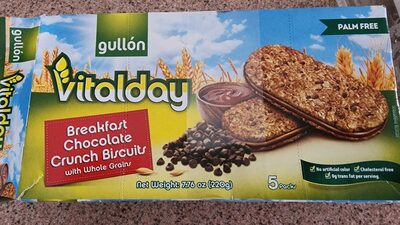
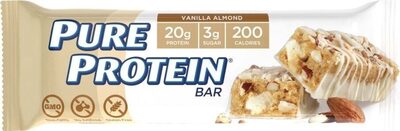



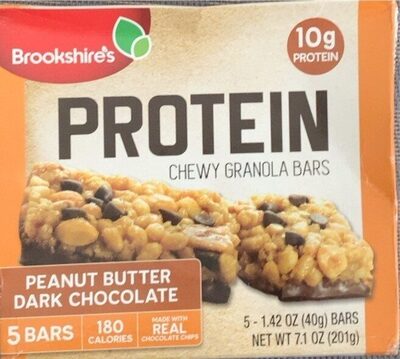
Learn more
Auto-generated content. This description was generated automatically and is pending editorial review. Inaccuracies are possible. Found a mistake? Contact us.