Oligosporus
What is Oligosporus?
Oligosporus is a type of fungus used to make tempeh, a fermented soybean product. It is a starter culture that breaks down sugars in soybeans, making them more digestible and giving tempeh its characteristic firm texture and nutty flavor.
Is Oligosporus vegan?
Oligosporus is not animal-derived. Products that contain it can still include other animal-derived ingredients, so check the full ingredient list.
Is Oligosporus gluten-free?
It does not contain gluten.
Is Oligosporus a major allergen?
Tempeh made with Oligosporus is typically derived from soy, which is one of the 9 FDA major allergens.
What is Oligosporus used for?
Oligosporus is primarily used as a fermentation agent in the production of tempeh.
Is Oligosporus safe?
Oligosporus itself is not typically evaluated by regulatory bodies as a standalone food additive.
Why it's used
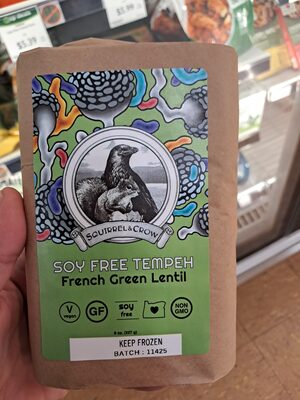
Oligosporus is primarily used as a fermentation agent in the production of tempeh. It allows for the controlled fermentation of legumes, creating a protein-rich food with improved digestibility and a unique texture. It is found in various types of tempeh, including those made from soybeans, chickpeas, and lentils.
Health notes
Oligosporus itself is not typically evaluated by regulatory bodies as a standalone food additive. The fermentation process it facilitates can increase the bioavailability of nutrients in legumes and introduce beneficial probiotics. The FDA considers tempeh, made with starter cultures like Oligosporus, to be a safe food product. JECFA and EFSA have not specifically evaluated Oligosporus as an additive.
Allergen info
Tempeh made with Oligosporus is typically derived from soy, which is one of the 9 FDA major allergens. It does not contain gluten.
Foods that contain Oligosporus
Compare products →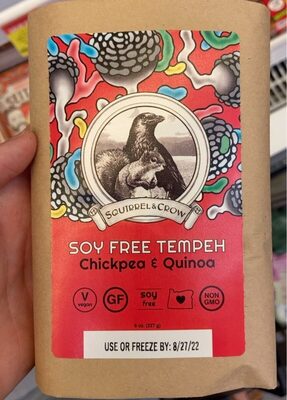
Auto-generated content. This description was generated automatically and is pending editorial review. Inaccuracies are possible. Found a mistake? Contact us.