Olive Oil 80/20
What is Olive Oil 80/20?
Olive oil is a liquid fat extracted from olives, the fruit of the olive tree. It is produced by pressing whole olives. The majority of the oil is extracted using mechanical or physical means, without the use of heat.
Is Olive Oil 80/20 vegan?
Olive Oil 80/20 is not animal-derived. Products that contain it can still include other animal-derived ingredients, so check the full ingredient list.
Is Olive Oil 80/20 gluten-free?
It does not contain gluten.
Is Olive Oil 80/20 a major allergen?
Olive oil is not derived from any of the 9 major allergens.
What is Olive Oil 80/20 used for?
Olive oil is primarily used as a cooking oil and as a flavor enhancer in dressings and marinades.
Is Olive Oil 80/20 safe?
Olive oil is generally recognized as safe (GRAS) by the FDA.
Why it's used
Olive oil is primarily used as a cooking oil and as a flavor enhancer in dressings and marinades. It adds a distinct flavor and mouthfeel to foods. It is commonly found in salad dressings, sauces, and as a finishing oil for dishes.
Health notes
Olive oil is generally recognized as safe (GRAS) by the FDA. It is a source of monounsaturated fats, which are considered a healthy fat. The World Health Organization (WHO) and the European Food Safety Authority (EFSA) have evaluated olive oil and its components. While generally considered healthy, like all fats, it is calorie-dense.
Allergen info
Olive oil is not derived from any of the 9 major allergens. It does not contain gluten.
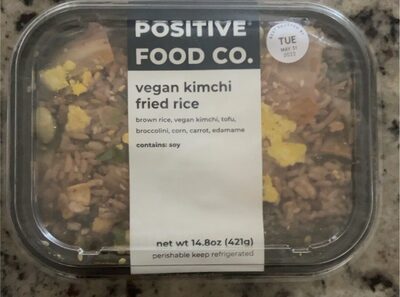
Foods that contain Olive Oil 80/20
Compare products →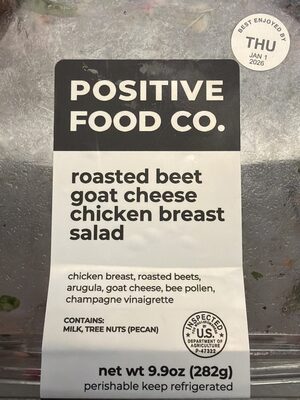
Learn more
Auto-generated content. This description was generated automatically and is pending editorial review. Inaccuracies are possible. Found a mistake? Contact us.