Organic Amaranth Sprout
What is Organic Amaranth Sprout?
Amaranth sprout is the young shoot of the amaranth plant, which is grown for its edible seeds and leaves. The sprouts are typically harvested when they are a few inches tall and can be eaten raw or lightly cooked. They are a source of nutrients and have a mild, slightly peppery flavor.
Is Organic Amaranth Sprout vegan?
Organic Amaranth Sprout is not animal-derived. Products that contain it can still include other animal-derived ingredients, so check the full ingredient list.
Is Organic Amaranth Sprout gluten-free?
It is also naturally gluten-free.
Is Organic Amaranth Sprout a major allergen?
Amaranth is not one of the nine major allergens recognized by the FDA.
What is Organic Amaranth Sprout used for?
Amaranth sprouts are often used in salads, sandwiches, and wraps for added texture and a fresh, slightly nutty taste.
Is Organic Amaranth Sprout safe?
Amaranth sprouts are generally recognized as safe (GRAS) by the FDA for use as a food ingredient.
Why it's used
Amaranth sprouts are often used in salads, sandwiches, and wraps for added texture and a fresh, slightly nutty taste. They are also sometimes incorporated into smoothies and juices, particularly in health-focused beverages, to boost nutritional content.
Health notes
Amaranth sprouts are generally recognized as safe (GRAS) by the FDA for use as a food ingredient. They are a source of vitamins, minerals, and fiber. International bodies like JECFA have evaluated amaranth and its components, but specific evaluations for sprouts may vary. Current research does not indicate significant health risks associated with the consumption of amaranth sprouts at typical dietary levels.
Allergen info
Amaranth is not one of the nine major allergens recognized by the FDA. It is also naturally gluten-free.
Foods that contain Organic Amaranth Sprout
Compare products →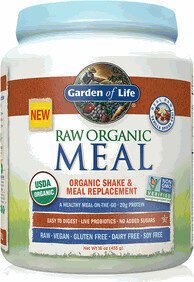
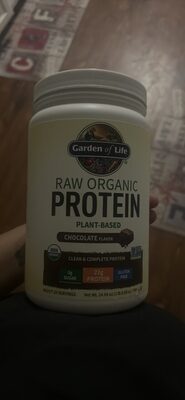
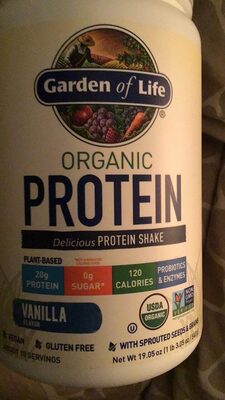
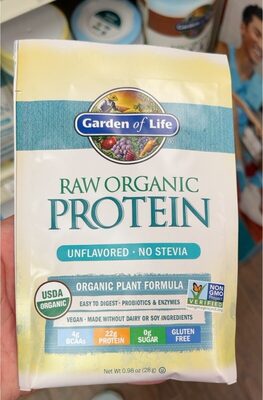
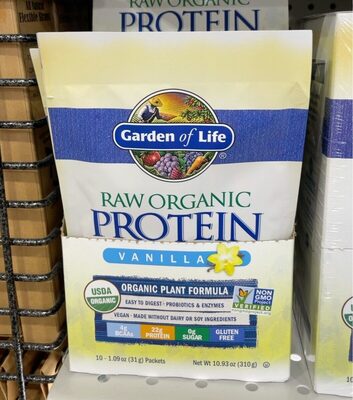
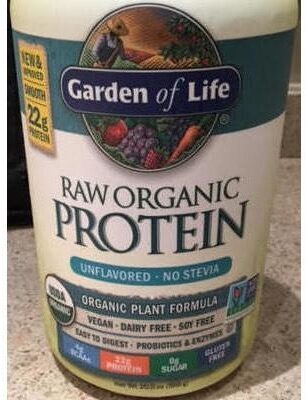
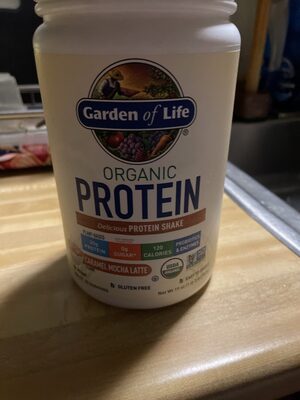
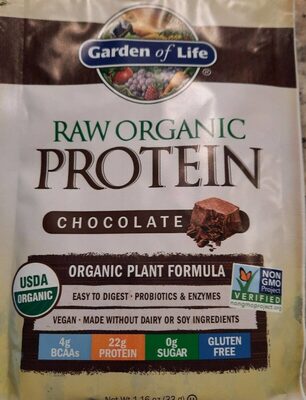
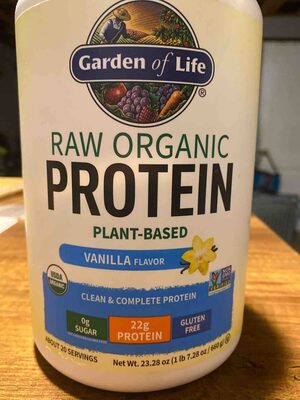
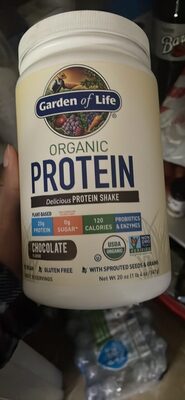 Garden Of Life
Organic Protein 20 G Shake, Chocolate, Chocolate
381kcal
63.5Protein
7.9Fat
19.1Carbs
Learn more
Auto-generated content. This description was generated automatically and is pending editorial review. Inaccuracies are possible. Found a mistake? Contact us.