Organic Beet Root
What is Organic Beet Root?
Organic beet root is the root of the beet plant (Beta vulgaris), grown without synthetic pesticides or fertilizers. It is typically harvested, washed, and sometimes dried or juiced for use in food products. The root is known for its vibrant red-purple color and earthy flavor.
Is Organic Beet Root vegan?
Organic Beet Root is not animal-derived. Products that contain it can still include other animal-derived ingredients, so check the full ingredient list.
Is Organic Beet Root gluten-free?
It does not contain gluten.
Is Organic Beet Root a major allergen?
Beet root is not one of the FDA's 9 major allergens.
What is Organic Beet Root used for?
Manufacturers use organic beet root primarily for its natural red-purple coloring properties, adding it to beverages, snacks, and bars.
Is Organic Beet Root safe?
Organic beet root is generally recognized as safe (GRAS) by the FDA for use as a food ingredient.
Why it's used
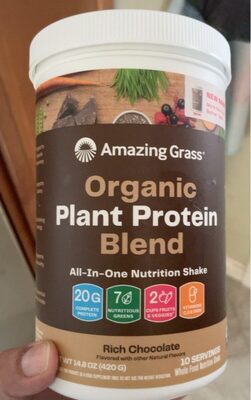
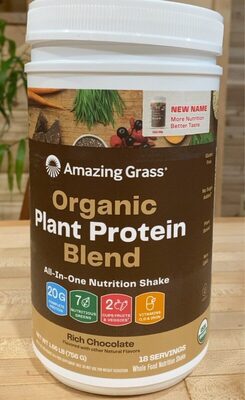
Manufacturers use organic beet root primarily for its natural red-purple coloring properties, adding it to beverages, snacks, and bars. It can also contribute a subtle earthy flavor and is sometimes used as a source of nutrients. It is found in products like energy drinks, protein bars, and powdered drink mixes.
Health notes
Organic beet root is generally recognized as safe (GRAS) by the FDA for use as a food ingredient. It is a source of dietary nitrates, which the body can convert to nitric oxide, a compound that may help relax blood vessels. Some research suggests this could have a positive impact on blood pressure, but more studies are needed to confirm these effects at typical dietary intakes. The European Food Safety Authority (EFSA) has evaluated beet pigments, but specific evaluations for organic beet root as a whole ingredient may vary.
Allergen info
Beet root is not one of the FDA's 9 major allergens. It does not contain gluten.
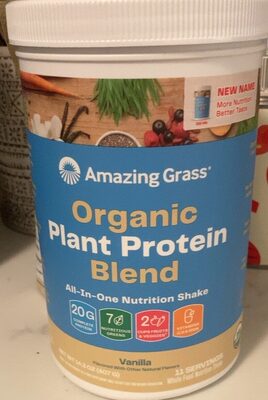
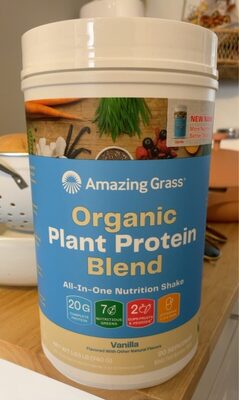
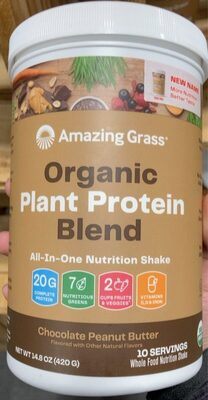
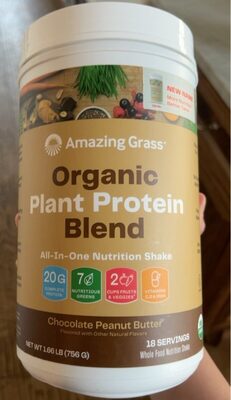
Foods that contain Organic Beet Root
Compare products →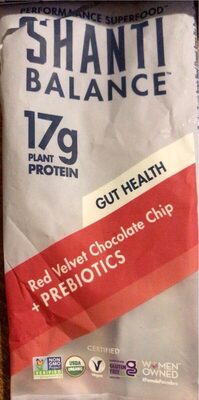
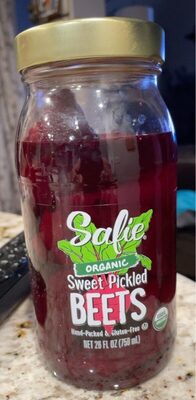
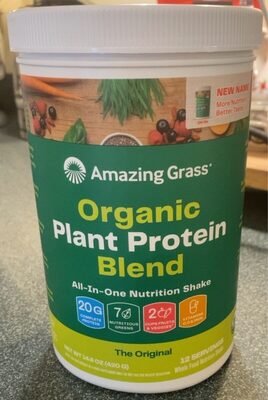
Auto-generated content. This description was generated automatically and is pending editorial review. Inaccuracies are possible. Found a mistake? Contact us.