Organic Cherry
What is Organic Cherry?
Cherries are small, round, red or purple fruits that grow on trees. The term 'organic' means they are grown without synthetic pesticides or fertilizers. They are typically harvested when ripe and can be used fresh, dried, or processed into juice or puree.
Is Organic Cherry vegan?
Organic Cherry is not animal-derived. Products that contain it can still include other animal-derived ingredients, so check the full ingredient list.
Is Organic Cherry gluten-free?
They do not contain gluten.
Is Organic Cherry a major allergen?
Cherries are not one of the nine major allergens recognized by the FDA.
What is Organic Cherry used for?
Cherries are primarily used to add natural fruit flavor and color to foods and beverages.
Is Organic Cherry safe?
Cherries are a source of vitamins, minerals, and antioxidants.
Why it's used
Cherries are primarily used to add natural fruit flavor and color to foods and beverages. They are often found in fruit-flavored drinks, yogurts, baked goods, and desserts. Their natural sweetness and tartness make them a versatile ingredient.
Health notes
Cherries are a source of vitamins, minerals, and antioxidants. The FDA considers cherries to be Generally Recognized As Safe (GRAS) for consumption. Some research suggests that compounds in cherries may have anti-inflammatory properties, but more studies are needed to confirm these effects in humans at typical dietary intakes. JECFA has evaluated cherries and their components.
Allergen info
Cherries are not one of the nine major allergens recognized by the FDA. They do not contain gluten.
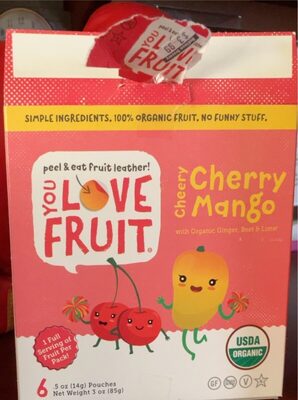
Foods that contain Organic Cherry
Compare products →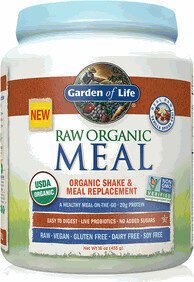
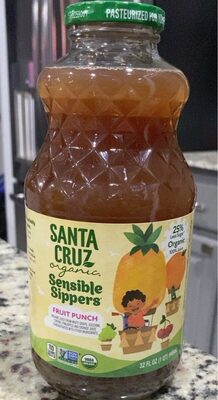
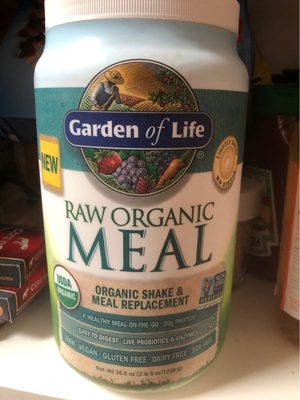
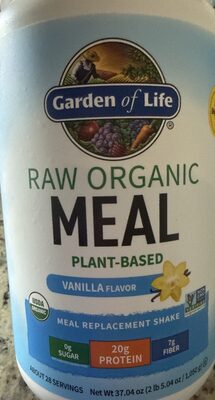
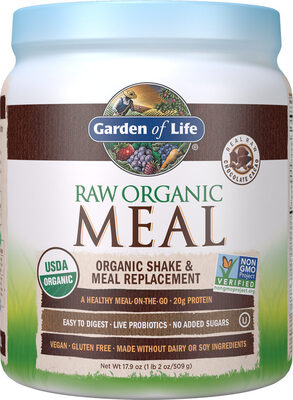
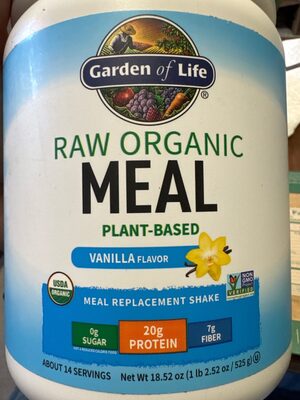
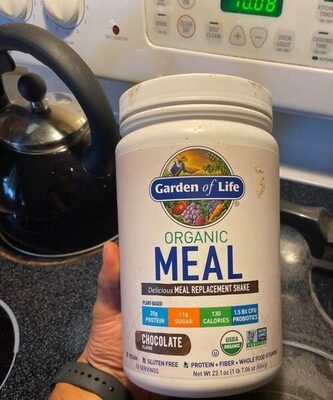
Auto-generated content. This description was generated automatically and is pending editorial review. Inaccuracies are possible. Found a mistake? Contact us.